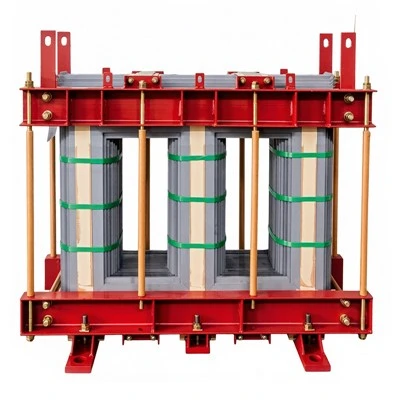

In the realm of power electronics, rectifier transformers play a pivotal role in converting alternating current (AC) to direct current (DC) for a myriad of industrial applications. Among the various components of a rectifier transformer, the core stands out as a critical element that significantly influences its performance. The frequency of the input AC power is one of the key factors that can have a profound impact on the performance of rectifier transformer cores. As a leading supplier of Rectifier Transformer Cores, we are well-versed in the intricate relationship between frequency and core performance, and in this blog, we will delve deep into this topic.
The Basics of Rectifier Transformer Cores
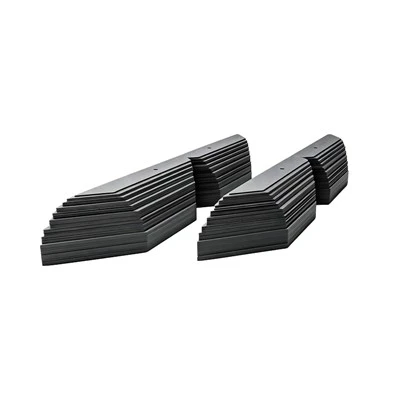
Before we explore how frequency affects the performance of rectifier transformer cores, let's first understand the fundamental principles of these cores. Rectifier transformer cores are typically made of magnetic materials, such as silicon steel, which have high magnetic permeability and low core losses. The core serves as a magnetic path for the alternating magnetic flux generated by the primary winding of the transformer. As the magnetic flux alternates, it induces a voltage in the secondary winding, facilitating the transformation of electrical energy from the primary side to the secondary side.
There are several types of rectifier transformer cores available in the market, each with its own unique characteristics and applications. Some of the common types include Oil-immersed Transformer Silicon Steel Core, Oil Immersed Transformer Cores, New Energy Oil Immersed Transformer Cores, Core Type Transformer Core, and Reactor Iron Core. These cores are designed to meet the specific requirements of different rectifier transformer applications, taking into account factors such as voltage, current, and power ratings.
Impact of Frequency on Core Losses
One of the most significant ways in which frequency affects the performance of rectifier transformer cores is through its impact on core losses. Core losses, also known as iron losses, are the energy losses that occur in the core of a transformer due to the alternating magnetic field. There are two main types of core losses: hysteresis losses and eddy current losses.
Hysteresis losses occur because the magnetic domains in the core material need to be realigned repeatedly as the magnetic field alternates. This realignment process requires energy, which is dissipated as heat. The hysteresis loss is directly proportional to the frequency of the input AC power. As the frequency increases, the number of times the magnetic domains need to be realigned per unit time also increases, resulting in higher hysteresis losses.
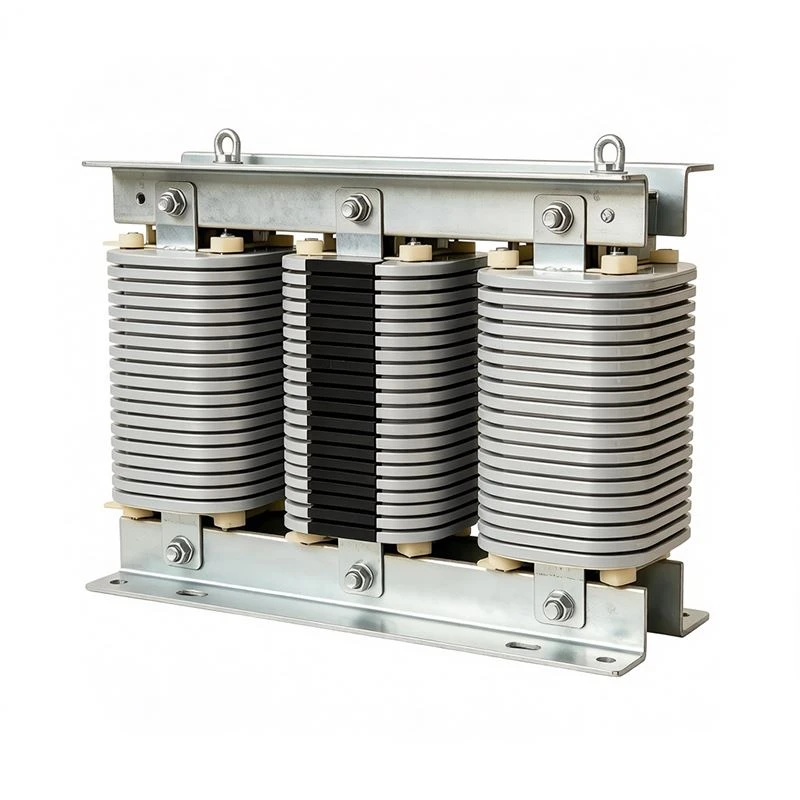
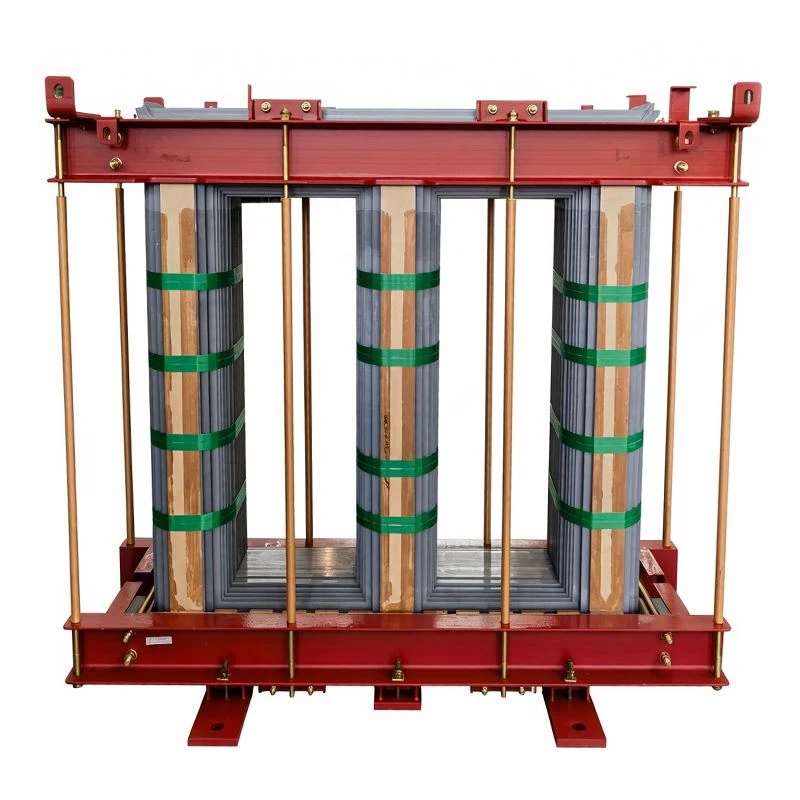
Eddy current losses, on the other hand, are caused by the induced currents that circulate within the core material due to the alternating magnetic field. These eddy currents generate heat, which represents a loss of energy. The eddy current loss is proportional to the square of the frequency. Therefore, even a small increase in frequency can lead to a significant increase in eddy current losses.
In summary, as the frequency of the input AC power increases, both hysteresis losses and eddy current losses in the rectifier transformer core increase. This can lead to higher operating temperatures, reduced efficiency, and increased energy consumption. To mitigate these effects, it is essential to choose a core material with low hysteresis and eddy current losses, especially for applications that operate at high frequencies.
Influence of Frequency on Magnetic Flux Density
Another important aspect of the relationship between frequency and the performance of rectifier transformer cores is the influence of frequency on magnetic flux density. The magnetic flux density is a measure of the strength of the magnetic field within the core. It is directly proportional to the voltage applied to the primary winding and inversely proportional to the frequency.
As the frequency increases, the magnetic flux density decreases for a given voltage. This is because the rate of change of the magnetic field increases with frequency, which reduces the time available for the magnetic flux to build up in the core. A lower magnetic flux density can have several implications for the performance of the rectifier transformer.
Firstly, it can reduce the core saturation risk. Core saturation occurs when the magnetic flux density in the core reaches a maximum value, beyond which the core material cannot support any further increase in magnetic flux. Saturation can lead to distorted output waveforms, increased core losses, and reduced transformer efficiency. By reducing the magnetic flux density, increasing the frequency can help prevent core saturation and improve the overall performance of the rectifier transformer.
Secondly, a lower magnetic flux density can result in a smaller core size. Since the magnetic flux density is inversely proportional to the frequency, a higher frequency allows for a smaller core to achieve the same magnetic flux. This can lead to cost savings in terms of materials and manufacturing, as well as a more compact and lightweight transformer design.
Effect of Frequency on Core Permeability
The permeability of the core material is another important property that is affected by frequency. Permeability is a measure of how easily a magnetic field can pass through a material. In the context of rectifier transformer cores, high permeability is desirable because it allows for a stronger magnetic field to be established with less input energy.
However, the permeability of most magnetic materials decreases with increasing frequency. This is due to the skin effect and the proximity effect, which cause the current to concentrate near the surface of the conductor and the magnetic field to be distorted. As a result, the effective cross-sectional area of the core available for magnetic flux conduction decreases, leading to a decrease in permeability.
A decrease in core permeability can have several negative effects on the performance of the rectifier transformer. It can increase the magnetizing current, which is the current required to establish the magnetic field in the core. This can lead to higher copper losses in the primary and secondary windings, as well as reduced efficiency. Additionally, a lower permeability can result in a larger leakage inductance, which can affect the voltage regulation and transient response of the transformer.
Applications and Considerations
The impact of frequency on the performance of rectifier transformer cores has significant implications for various applications. In industrial applications, such as electroplating, electrolysis, and DC motor drives, rectifier transformers are commonly used to convert AC power to DC power. The frequency of the input AC power can vary depending on the application requirements, and it is important to choose a rectifier transformer core that is optimized for the specific frequency range.
For low-frequency applications (e.g., 50 Hz or 60 Hz), traditional silicon steel cores are often used due to their relatively low cost and good magnetic properties. However, for high-frequency applications (e.g., several kilohertz or higher), more advanced core materials, such as ferrite cores, may be required to minimize core losses and improve efficiency.
When selecting a rectifier transformer core for a particular application, it is also important to consider other factors, such as the power rating, voltage level, and operating temperature. These factors can interact with the frequency to further affect the performance of the core. For example, higher power ratings and voltage levels may require larger core sizes and more robust core materials to handle the increased magnetic flux and electrical stresses.
Conclusion
In conclusion, the frequency of the input AC power has a profound impact on the performance of rectifier transformer cores. It affects core losses, magnetic flux density, and core permeability, all of which can significantly influence the efficiency, temperature rise, and reliability of the rectifier transformer. As a leading supplier of Rectifier Transformer Cores, we understand the importance of these factors and are committed to providing our customers with high-quality cores that are optimized for their specific applications.
If you are in the market for rectifier transformer cores or have any questions about how frequency affects their performance, we encourage you to contact us for a detailed discussion. Our team of experts is ready to assist you in selecting the right core for your needs and ensuring that you get the best possible performance from your rectifier transformer.
References
- Grover, F. W. (1946). Inductance Calculations: Working Formulas and Tables. Dover Publications.
- Lajoie-Mazenc, A., & Viarouge, P. (1994). Power Electronics and High-Frequency Conversion: Concepts, Circuits and Applications. John Wiley & Sons.
- McLyman, C. W. (2004). Transformer and Inductor Design Handbook. Christopher W. McLyman.