
As a supplier of distribution transformer cores, I understand the critical role that optimizing the electromagnetic field within these cores plays in the overall performance and efficiency of distribution transformers. In this blog post, I'll share some insights into how we can optimize the electromagnetic field in a distribution transformer core.
Understanding the Basics of Electromagnetic Fields in Transformer Cores
Before diving into optimization methods, it's essential to grasp the fundamental principles of electromagnetic fields in transformer cores. A distribution transformer operates on the principle of electromagnetic induction, where a varying magnetic field in the core induces an electromotive force (EMF) in the secondary winding. This process is governed by Faraday's law of electromagnetic induction and Ampere's law.
The core of a distribution transformer is typically made of a ferromagnetic material, such as silicon steel, which has high magnetic permeability. When an alternating current (AC) passes through the primary winding, it creates an alternating magnetic field in the core. This magnetic field then links with the secondary winding, inducing an AC voltage across it.
The Importance of Electromagnetic Field Optimization
Optimizing the electromagnetic field in a distribution transformer core is crucial for several reasons. First and foremost, it improves the efficiency of the transformer. By reducing the losses associated with the magnetic field, such as hysteresis and eddy current losses, we can minimize the amount of energy wasted as heat. This not only saves energy but also reduces operating costs and extends the lifespan of the transformer.
Secondly, optimizing the electromagnetic field can enhance the performance of the transformer. A well - designed core with an optimized magnetic field can provide a more stable and consistent output voltage, reducing voltage fluctuations and improving the quality of the electrical power supplied.
Methods for Optimizing the Electromagnetic Field
Material Selection
The choice of core material is one of the most critical factors in optimizing the electromagnetic field. As mentioned earlier, silicon steel is a popular choice for transformer cores due to its high magnetic permeability and low hysteresis loss. However, other materials, such as amorphous metals, are also being increasingly used in high - efficiency transformers. Amorphous metals have extremely low hysteresis and eddy current losses, making them ideal for applications where energy efficiency is a top priority.
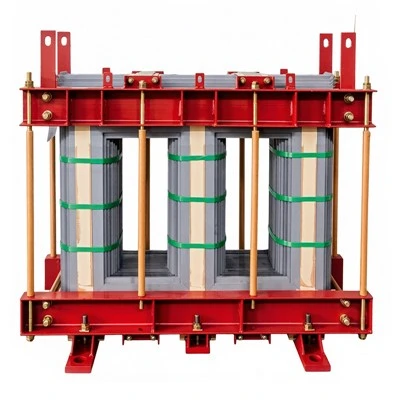
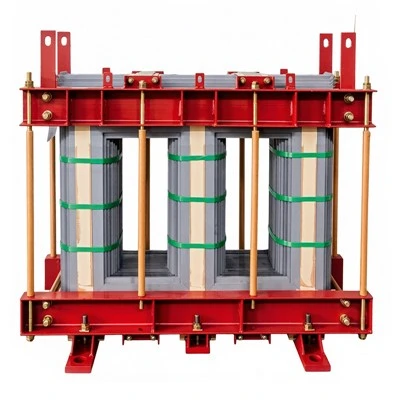
For instance, at our company, we offer a variety of core materials to meet different customer requirements. Our Oil - immersed Transformer Core - type Core is made of high - quality silicon steel, which has been carefully selected and processed to minimize losses and ensure optimal performance.
Core Design
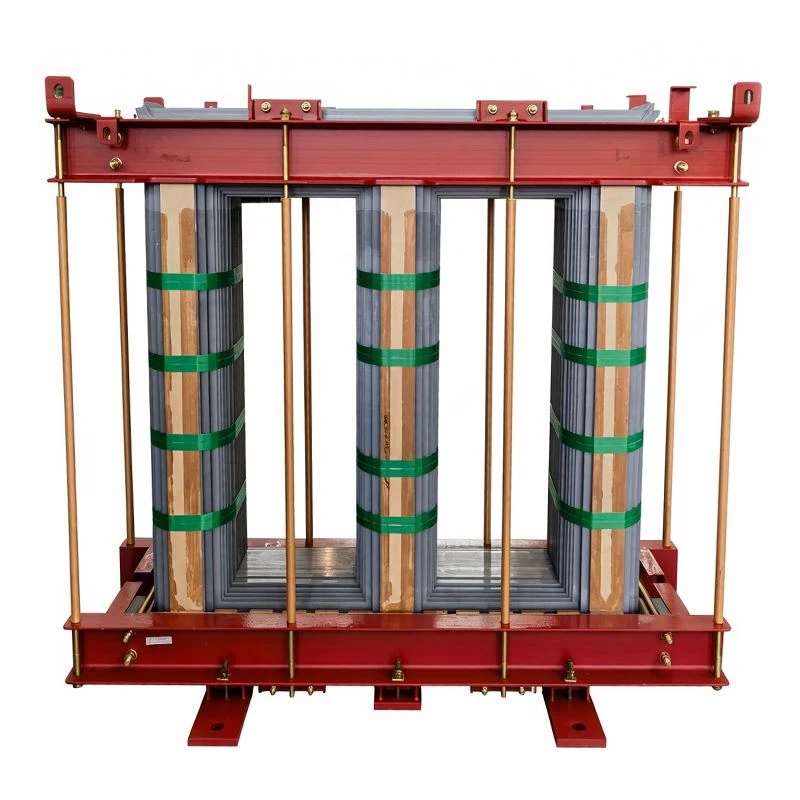
The design of the core also plays a significant role in electromagnetic field optimization. There are several types of core designs, such as core - type and shell - type designs. Core - type designs are more commonly used in distribution transformers because they offer better magnetic coupling and lower leakage flux.
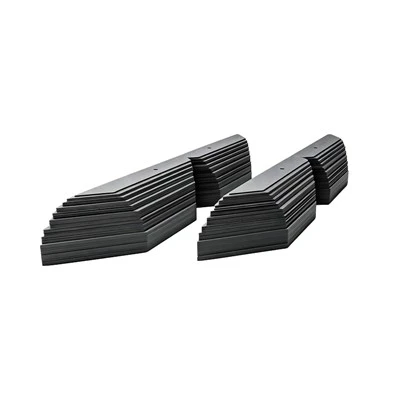
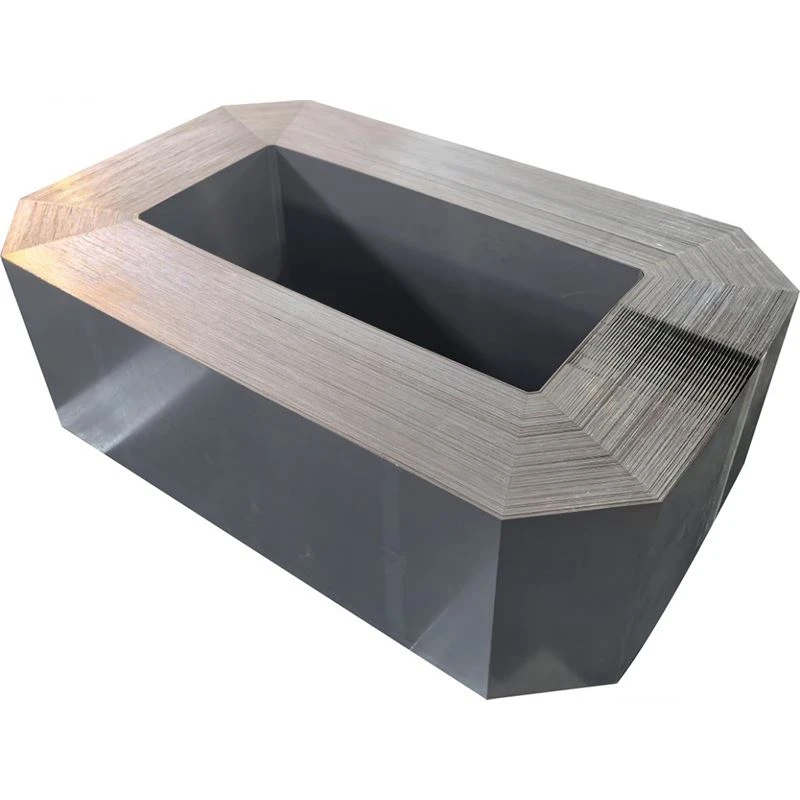
In addition to the basic design type, the shape and dimensions of the core can also be optimized. For example, using a stepped - lap core design can reduce the air - gap between the core laminations, which in turn reduces the reluctance of the magnetic circuit and improves the magnetic field distribution. Our Core Type Transformer Core features a carefully designed stepped - lap structure to enhance electromagnetic performance.
Winding Arrangement
The arrangement of the windings around the core can have a significant impact on the electromagnetic field. The primary and secondary windings should be placed in such a way that the magnetic field produced by one winding is effectively coupled to the other winding. This can be achieved by using a concentric winding arrangement, where the primary and secondary windings are placed one on top of the other around the core.
Proper insulation between the windings is also crucial to prevent short - circuits and ensure the safe and efficient operation of the transformer. We offer a range of winding options for our New Energy Oil Immersed Transformer Cores, which are designed to provide optimal electromagnetic coupling and insulation.
Cooling System
A well - designed cooling system is essential for maintaining the temperature of the transformer core within an acceptable range. High temperatures can increase the resistivity of the core material, leading to increased eddy current losses and reduced magnetic permeability. By keeping the core cool, we can ensure that the electromagnetic field remains stable and efficient.
There are several types of cooling systems available, such as oil - cooling and air - cooling. Oil - cooling is more commonly used in large distribution transformers because it offers better heat dissipation capabilities. Our transformers are equipped with state - of the - art cooling systems to ensure optimal performance even under heavy loads.
Advanced Technologies for Electromagnetic Field Optimization
In recent years, several advanced technologies have emerged that can further optimize the electromagnetic field in distribution transformer cores.
Finite Element Analysis (FEA)
Finite Element Analysis is a powerful numerical technique that can be used to simulate the electromagnetic field in a transformer core. By using FEA software, we can model the complex geometry and material properties of the core and predict the behavior of the electromagnetic field under different operating conditions. This allows us to optimize the core design and winding arrangement before the transformer is manufactured, reducing the time and cost of development.
Nanotechnology
Nanotechnology is another area of research that shows great promise for electromagnetic field optimization. By incorporating nanomaterials into the core material, we can potentially enhance its magnetic properties, such as magnetic permeability and saturation magnetization. This can lead to further improvements in the efficiency and performance of distribution transformers.
Case Studies
To illustrate the effectiveness of electromagnetic field optimization, let's look at a few case studies.
Case Study 1: A Utility Company
A utility company was experiencing high energy losses in its distribution network due to inefficient transformers. After replacing the old transformers with our Rectifier Transformer Cores, which had been optimized for electromagnetic field performance, the company was able to reduce its energy losses by 15%. This not only saved a significant amount of money on energy costs but also improved the reliability of the power supply.
Case Study 2: A Renewable Energy Project
In a renewable energy project, the power output from the solar panels was being affected by the poor performance of the distribution transformers. By using our Single - phase Folded - corner Core, which had been designed to minimize electromagnetic interference and improve power quality, the project was able to increase its power output by 10%.
Conclusion
Optimizing the electromagnetic field in a distribution transformer core is a complex but essential task. By carefully selecting the core material, designing the core and windings, implementing an effective cooling system, and leveraging advanced technologies, we can significantly improve the efficiency and performance of distribution transformers.
At [Our Company (Not disclosed as per requirement)], we are committed to providing high - quality distribution transformer cores that have been optimized for electromagnetic field performance. If you are interested in learning more about our products or would like to discuss your specific requirements, please don't hesitate to contact us for procurement and further discussions.
References
- Grover, F. W. (1946). Inductance Calculations: Working Formulas and Tables. Dover Publications.
- Chapman, S. J. (2012). Electric Machinery Fundamentals. McGraw - Hill Education.
- Slemon, G. R. (1992). Electric Machines and Drives. Addison - Wesley.