
Hey there! As a supplier of Transformer Crgo (Cold Rolled Grain Oriented) Cores, I've spent a ton of time diving deep into the world of these essential components. One of the most fascinating aspects I keep coming back to is the magnetic susceptibility of Transformer Crgo Cores. So, let's chat about what the key factors influencing this magnetic susceptibility are.
Material Composition
First off, the very stuff that makes up the Crgo Core plays a huge role. The main ingredient in Crgo steel is silicon, and the percentage of silicon in the alloy can significantly impact magnetic susceptibility. Generally, as the silicon content goes up, the electrical resistivity of the material increases. This is a great thing because it reduces eddy current losses. Eddy currents are those annoying little loops of current that get induced in the core when it's exposed to a changing magnetic field. Less eddy current means better magnetic performance and, you guessed it, an effect on magnetic susceptibility.
But it's not just silicon. The presence of other elements like carbon, sulfur, and phosphorus also matters. These impurities can mess with the magnetic properties of the core. For example, too much carbon can lead to increased core losses and a decrease in magnetic permeability, which in turn affects the magnetic susceptibility. Manufacturers like us have to be really careful about controlling the composition of the Crgo steel to get the best results.
Grain Orientation
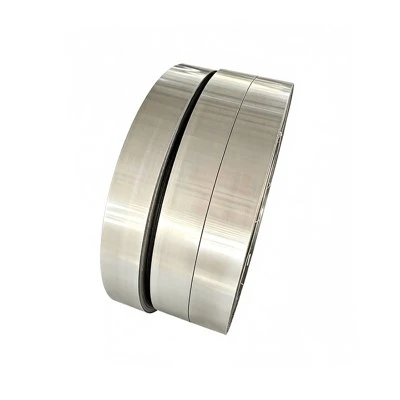
The name "Cold Rolled Grain Oriented" gives us a big hint about another crucial factor: grain orientation. In Crgo steel, the grains are aligned in a specific direction during the cold rolling process. This alignment is super important because it allows the magnetic domains in the material to align more easily with an applied magnetic field.
When the grains are well - oriented, the magnetic flux can flow through the core more smoothly. This means that the core can respond better to the changing magnetic field, resulting in a higher magnetic susceptibility. On the flip side, if the grain orientation is off, the magnetic domains will have a harder time aligning, and the magnetic susceptibility will take a hit. It's like trying to drive a car on a bumpy, unpaved road instead of a smooth highway – the journey (or in this case, the flow of magnetic flux) is much smoother on the well - designed surface.
Core Design
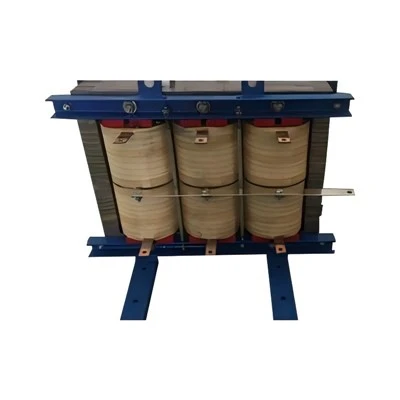
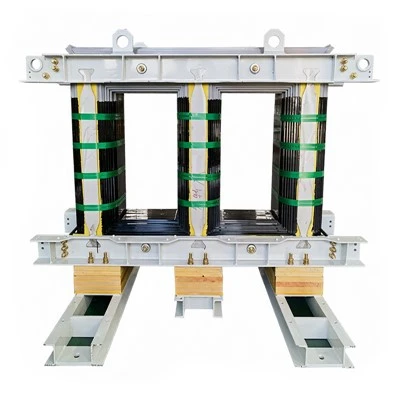
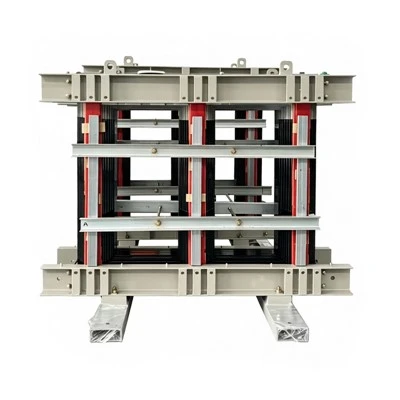
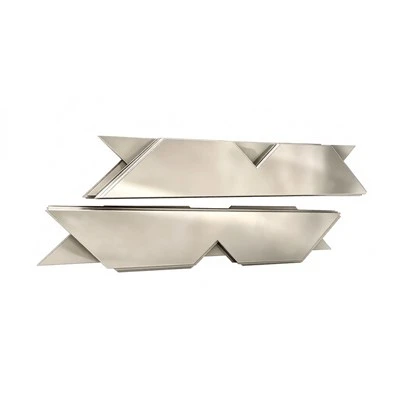
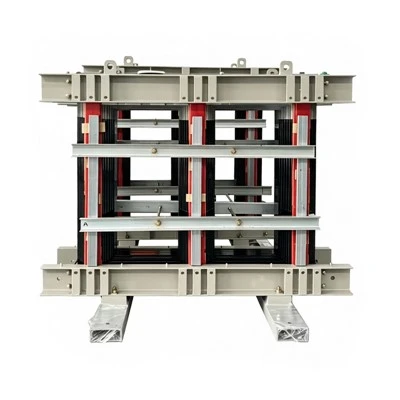
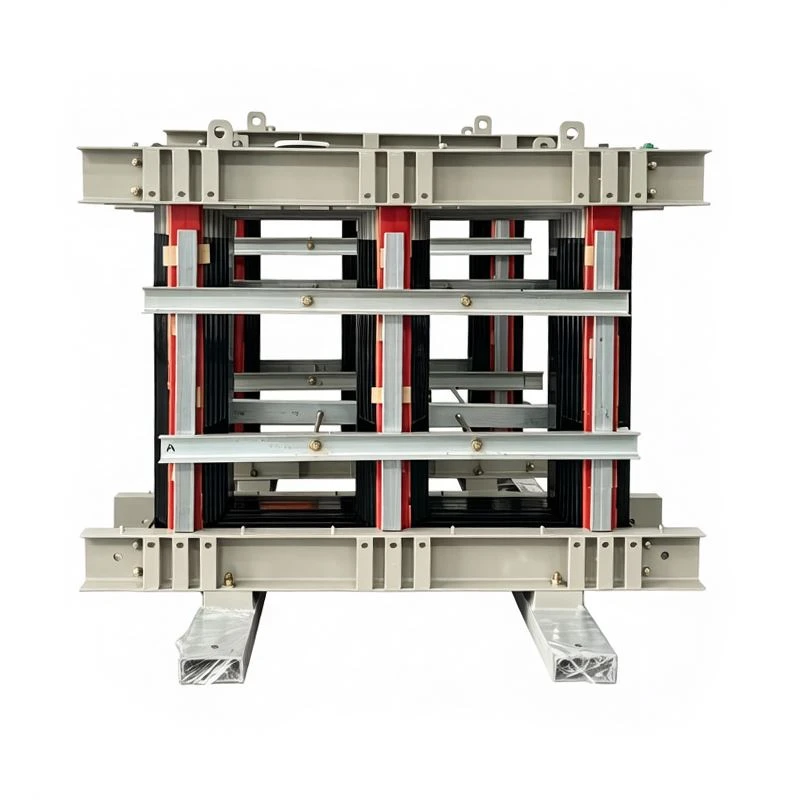
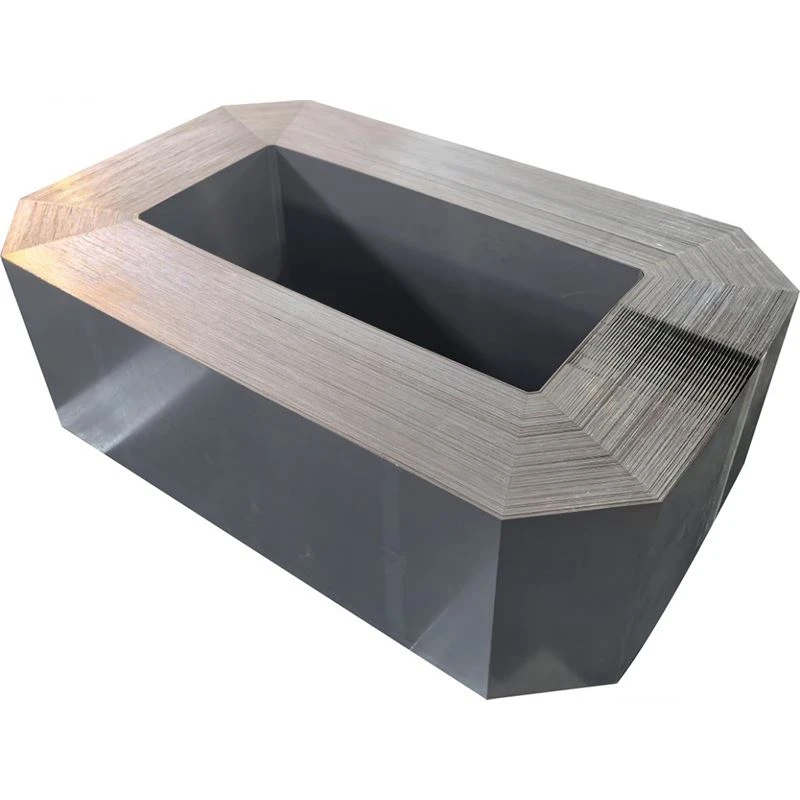
The way the Transformer Crgo Core is designed also has a major influence on its magnetic susceptibility. For instance, the shape of the core matters a lot. Different shapes, like the ones we offer at our company such as Rectifier Transformer Cores, Planar Open - type Folded Cores, and Core Type Transformer Core, have different magnetic characteristics.
The cross - sectional area of the core is another key design element. A larger cross - sectional area can handle more magnetic flux, which can increase the magnetic susceptibility. However, it's a balancing act because a larger core also means more material and potentially higher costs.
The number of turns in the windings around the core also affects the magnetic susceptibility. More turns in the windings can create a stronger magnetic field, which in turn can increase the magnetic response of the core. But again, there are trade - offs. More turns mean more copper wire, which adds to the cost and can also increase the resistance in the windings.
Temperature
Temperature is a sneaky factor that can really mess with the magnetic susceptibility of Transformer Crgo Cores. In general, as the temperature of the core increases, the magnetic susceptibility decreases. This is because at higher temperatures, the thermal energy causes the magnetic domains in the material to become more disordered.
Think of it like a bunch of little magnets (the magnetic domains) that are all trying to line up in a nice, orderly way. When it's cold, they can stay in line pretty well. But as the temperature rises, it's like someone starts shaking the box they're in, and they start to move around randomly. This makes it harder for the core to respond to an applied magnetic field, and the magnetic susceptibility drops.
Transformer designers have to take this into account when they're building transformers. They need to make sure that the core doesn't get too hot during operation. This might involve using cooling systems or choosing a core material that can withstand higher temperatures without a significant drop in magnetic susceptibility.
Stress and Strain
During the manufacturing and installation process, the Transformer Crgo Core can be subjected to stress and strain. Mechanical stress can change the magnetic properties of the core and reduce its magnetic susceptibility. This stress can come from things like bending the core during assembly or from vibrations during operation.
If the core is under stress, the magnetic domains in the material can get distorted. This makes it more difficult for them to align with an applied magnetic field, just like how it's harder to stack a pile of books neatly if they're all bent and warped.
To minimize the effects of stress, manufacturers use techniques like annealing the core after it's been fabricated. Annealing is a heat treatment process that helps to relieve internal stresses in the material and restore its magnetic properties.
Magnetic Field Intensity
The strength of the magnetic field applied to the Transformer Crgo Core also impacts its magnetic susceptibility. At low magnetic field intensities, the magnetic susceptibility is relatively constant. But as the field intensity increases, the magnetic domains in the core start to saturate.
When the magnetic domains are saturated, they can't align any more with the increasing magnetic field. This causes the magnetic susceptibility to decrease. It's like trying to fill a glass with water. At first, it's easy to pour more water in, but once the glass is full, adding more water just makes it spill over. In the same way, when the magnetic domains are saturated, increasing the magnetic field doesn't result in a proportional increase in the magnetic response of the core.
So, there you have it – the key factors that influence the magnetic susceptibility of Transformer Crgo Cores. Understanding these factors is crucial for both manufacturers and users of transformers. As a supplier, we're always looking for ways to optimize these factors to provide the best - performing cores to our customers.
If you're in the market for high - quality Transformer Crgo Cores, including Oil - immersed Transformer Core - type Core and Single - phase Folded - corner Core, I'd love to have a chat. We can discuss your specific needs and how our cores can meet them. Drop us a line to start the procurement process and let's work together to find the perfect solution for your transformer applications.
References
- Grover, F. W. (1946). Inductance Calculations: Working Formulas and Tables. Dover Publications.
- Sadiku, M. N. O. (2014). Elements of Electromagnetics. Oxford University Press.
- Chapman, S. J. (2012). Electric Machinery Fundamentals. McGraw - Hill Education.