
Hey there! As a supplier of Core Type Transformer Cores, I've seen firsthand how the shape of these cores can have a huge impact on transformer performance. In this blog, I'm gonna break down how different core shapes can affect things like efficiency, size, and cost.
Let's start with the basics. A transformer is a device that transfers electrical energy from one circuit to another through electromagnetic induction. The core is a crucial part of this process, as it provides a path for the magnetic field. The shape of the core can significantly influence how well this magnetic field is formed and maintained, which in turn affects the transformer's performance.
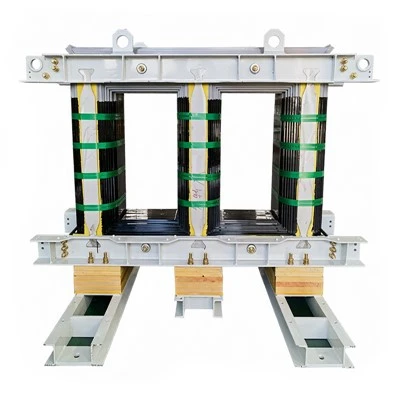
One of the most common core shapes is the rectangular or square shape. These cores are often used in small to medium-sized transformers because they're relatively easy and inexpensive to manufacture. Rectangular cores have straight sides and sharp corners, which can make them a bit less efficient in terms of magnetic flux distribution compared to other shapes. The sharp corners can cause magnetic flux leakage, which means that some of the magnetic energy isn't being used effectively to transfer electricity. This can lead to increased energy losses and reduced efficiency. However, for applications where cost is a major factor and high efficiency isn't critical, rectangular cores can be a great choice. You can check out our Core Type Dry Type Transformer Core which often uses this kind of shape for cost - effective solutions.
Another popular shape is the circular or toroidal core. Toroidal cores are shaped like a doughnut, and they offer some significant advantages over rectangular cores. The continuous circular shape of a toroidal core allows for a more uniform distribution of the magnetic field. There are no sharp corners to cause flux leakage, so the magnetic energy is used more efficiently. This results in lower energy losses and higher efficiency. Toroidal transformers are also generally smaller and lighter than their rectangular counterparts with the same power rating. They produce less electromagnetic interference (EMI) as well, which makes them ideal for sensitive electronic equipment. If you're looking for a high - performance transformer for applications like audio amplifiers or power supplies for electronic devices, toroidal cores are a top pick. You can explore more about our high - quality toroidal - based options on our website.
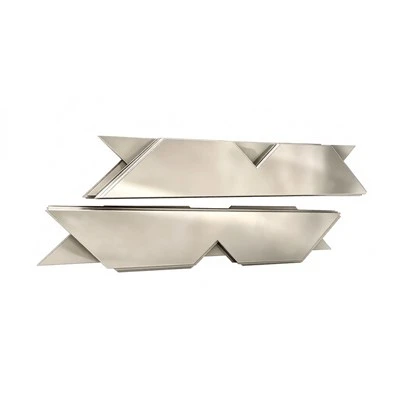
The Three - dimensional Wound Core is a more advanced core shape. This type of core is wound in a three - dimensional manner, which provides a more optimized magnetic path. The three - dimensional structure reduces the length of the magnetic circuit, which in turn minimizes magnetic resistance. As a result, transformers with three - dimensional wound cores have extremely low core losses and high efficiency. They're also quieter in operation compared to other types of cores. These cores are often used in high - end power distribution transformers and large - scale industrial applications where energy efficiency and reliability are of utmost importance.
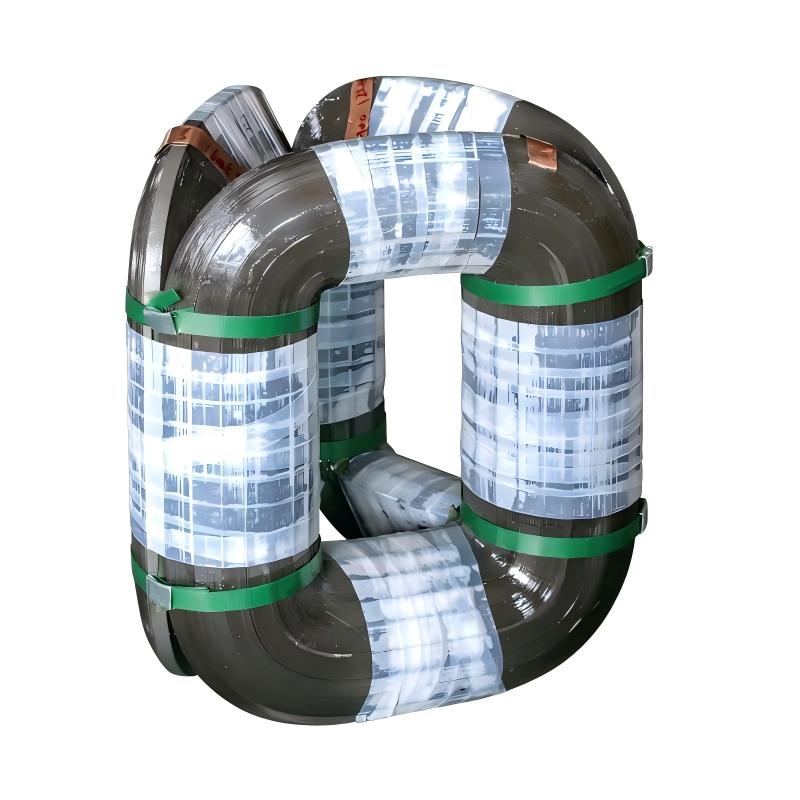
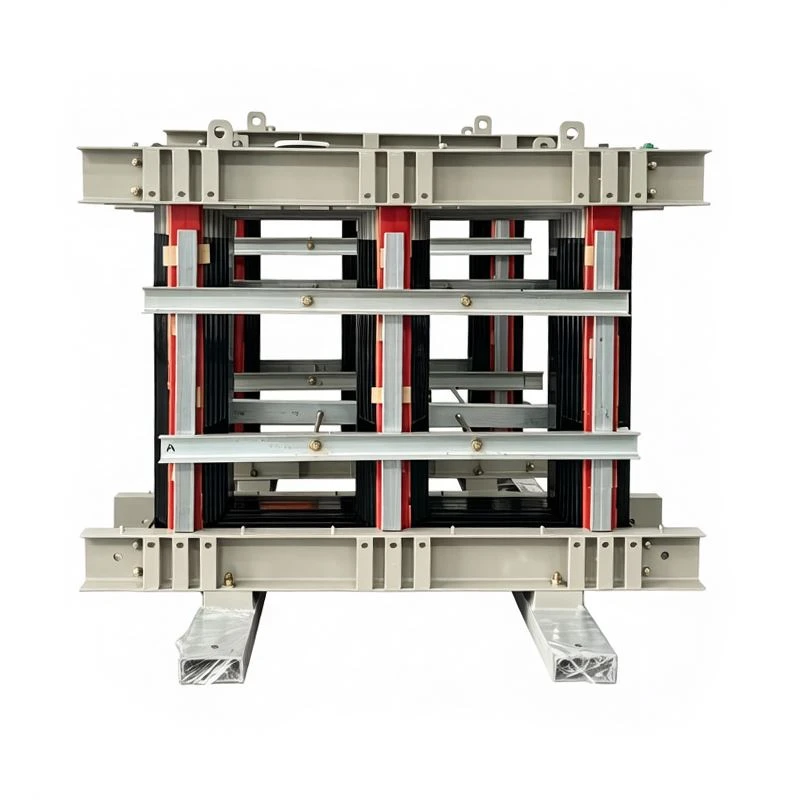
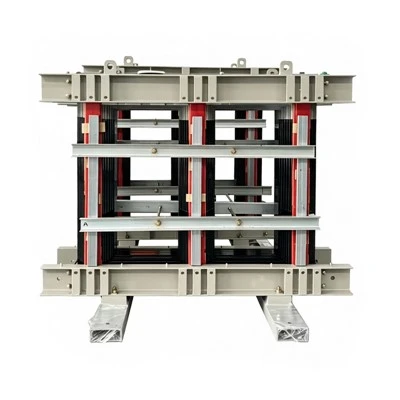
When it comes to large - scale power transformers, the shape of the core also plays a role in terms of heat dissipation. For example, Oil - immersed Transformer Silicon Steel Core cores are designed in a way that allows the insulating oil to flow around the core more effectively. The oil helps in cooling the core by carrying away the heat generated during operation. Cores with a more open and well - ventilated design can ensure better heat transfer to the oil, which helps in maintaining the transformer's temperature within a safe range. This is crucial because high temperatures can degrade the insulation material and reduce the lifespan of the transformer.
In the case of Traction Transformer Core, which are used in railway systems and other transportation applications, the shape of the core needs to be optimized for both performance and space constraints. Traction transformers need to be compact and lightweight while still being able to handle high power levels. Special core shapes are often used to achieve this balance. For instance, some designs may use a combination of rectangular and circular elements to maximize the magnetic efficiency while keeping the overall size in check.
The shape of the core also affects the cost of manufacturing. Simple shapes like rectangles are easier to produce, which generally means lower manufacturing costs. However, more complex shapes like toroidal or three - dimensional wound cores may require specialized equipment and more skilled labor, which can drive up the cost. But when you consider the long - term savings in energy costs and the performance benefits, these more expensive cores can often be a worthwhile investment.
Another factor to consider is the material used in conjunction with the shape. For example, Transformer Crgo Core uses cold - rolled grain - oriented (CRGO) silicon steel, which has excellent magnetic properties. The combination of the right material and the appropriate core shape can further enhance the transformer's performance. CRGO steel is highly efficient in conducting magnetic flux, and when it's used in a well - designed core shape, it can result in a very efficient and reliable transformer.
In conclusion, the shape of the Core Type Transformer Core has a far - reaching impact on its performance. Whether it's about efficiency, size, cost, heat dissipation, or suitability for specific applications, every aspect is influenced by the core's shape. As a supplier, we understand the importance of these factors and offer a wide range of core shapes to meet the diverse needs of our customers.
If you're in the market for a transformer core and want to discuss which shape would be the best fit for your application, don't hesitate to reach out. We're here to help you find the perfect solution for your project.
References
- Electrical Power Systems Engineering, by Turan Gonen
- Transformer Engineering: Design, Technology, and Diagnostics, by G. K. Dubey