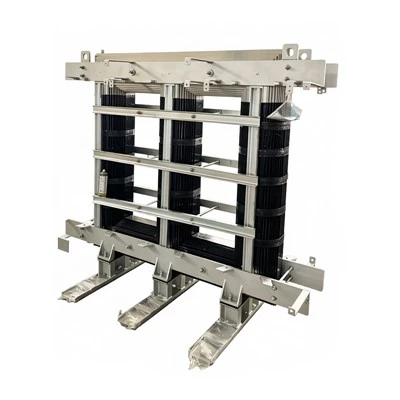

When delving into the realm of electrical engineering and power systems, the interaction between an iron core and direct current (DC) is a topic of significant importance. As an established iron core supplier, I have witnessed firsthand the diverse applications and the intricate nature of this interaction. In this blog, we will explore how an iron core interacts with direct current, the implications of this interaction, and the various types of iron cores used in different applications.
Understanding the Basics of Iron Cores and Direct Current
An iron core is a fundamental component in many electrical devices, including transformers, inductors, and electromagnets. It is typically made of ferromagnetic materials, such as iron or steel, which have a high magnetic permeability. This means that they can easily be magnetized and demagnetized, making them ideal for use in applications where magnetic fields need to be controlled.
Direct current, on the other hand, is a type of electrical current that flows in only one direction. Unlike alternating current (AC), which periodically reverses direction, DC maintains a constant flow of electrons. DC is commonly used in applications such as batteries, electronic devices, and some industrial processes.
How an Iron Core Interacts with Direct Current
When a direct current passes through a coil wound around an iron core, a magnetic field is generated. The magnetic field lines produced by the current flow through the iron core, which enhances the magnetic flux density. This is because the iron core has a high magnetic permeability, which allows it to concentrate the magnetic field lines and increase the strength of the magnetic field.
The interaction between the iron core and the direct current can be described by Ampere's law and the magnetic properties of the iron core. Ampere's law states that the magnetic field around a closed loop is proportional to the current passing through the loop. In the case of a coil wound around an iron core, the magnetic field produced by the current in the coil is enhanced by the presence of the iron core.
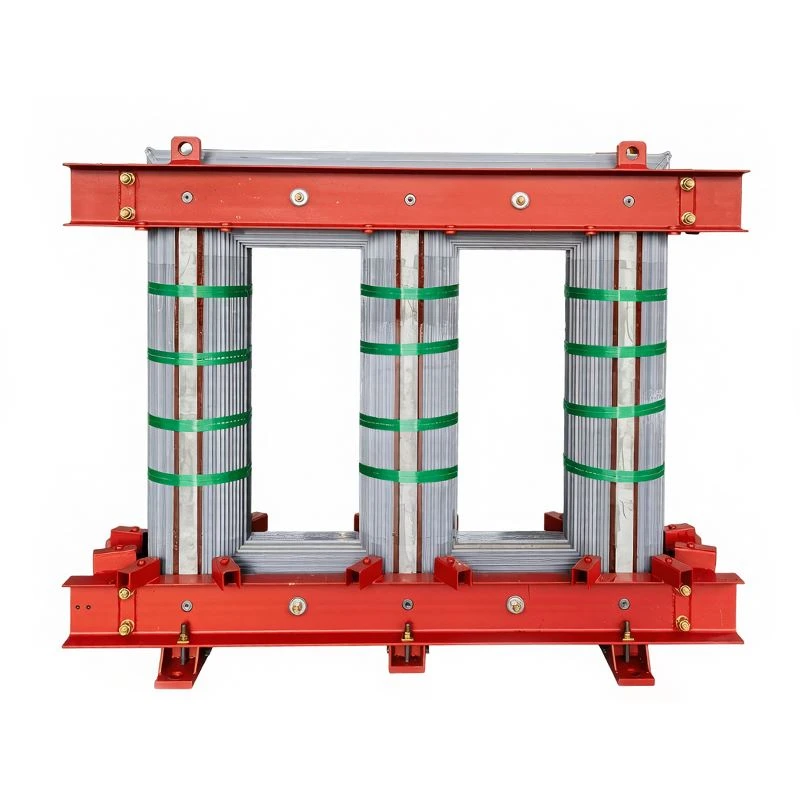
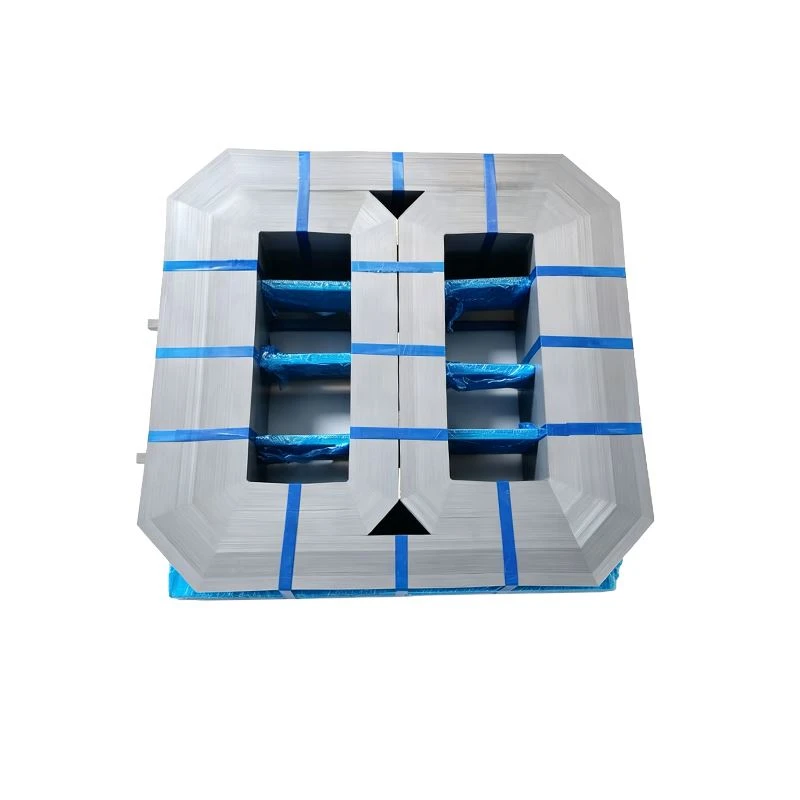
The magnetic properties of the iron core also play a crucial role in the interaction. The iron core has a non-linear magnetic behavior, which means that its magnetic permeability changes with the magnetic field strength. At low magnetic field strengths, the iron core has a high magnetic permeability, which allows it to easily be magnetized. However, as the magnetic field strength increases, the iron core begins to saturate, and its magnetic permeability decreases.
Implications of the Interaction
The interaction between an iron core and direct current has several implications for the performance and design of electrical devices. One of the main implications is the generation of a magnetic field. The magnetic field produced by the direct current in the coil and the iron core can be used for various purposes, such as creating a magnetic force, inducing an electromotive force (EMF), or storing energy.
Another implication is the potential for magnetic saturation. As mentioned earlier, the iron core can saturate at high magnetic field strengths, which can lead to a decrease in its magnetic permeability and an increase in the magnetic reluctance. This can affect the performance of the electrical device, such as reducing the efficiency of a transformer or increasing the power consumption of an inductor.
In addition, the interaction between the iron core and direct current can also cause heating. When a direct current passes through the coil, it generates heat due to the resistance of the wire. The presence of the iron core can also contribute to the heating, as the magnetic field can induce eddy currents in the core. Eddy currents are circulating currents that are induced in a conductor when it is exposed to a changing magnetic field. These currents can cause heating and energy losses in the iron core.
Types of Iron Cores and Their Applications
There are several types of iron cores used in different applications, each with its own unique properties and characteristics. Some of the common types of iron cores include:
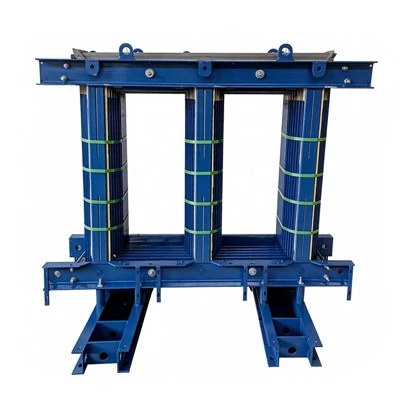
- Mining Transformer Cores: These cores are specifically designed for use in mining transformers, which are used to supply power to mining equipment. Mining transformer cores are typically made of high-quality ferromagnetic materials to ensure high efficiency and reliability. Mining Transformer Cores
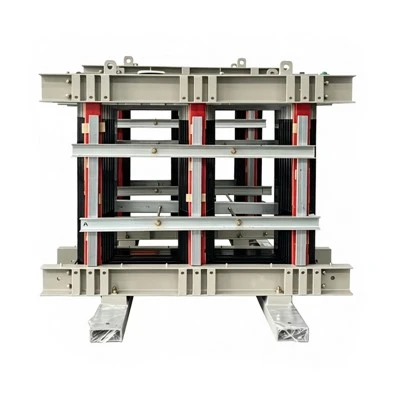
- Rail Transit Transformer Cores: Rail transit transformer cores are used in transformers for rail transit systems, such as trains and subways. These cores need to be able to withstand high temperatures and vibrations, as well as provide high electrical insulation. Rail Transit Transformer Cores
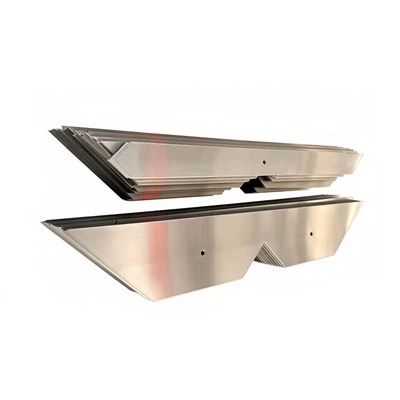
- Core Limb: Core limbs are an important part of a transformer core. They are typically made of laminated iron sheets to reduce eddy currents and improve the efficiency of the transformer. Core Limb
- Planar Open-type Folded Cores: Planar open-type folded cores are used in high-frequency transformers and inductors. These cores are designed to have a low profile and high efficiency, making them suitable for use in compact electronic devices. Planar Open-type Folded Cores
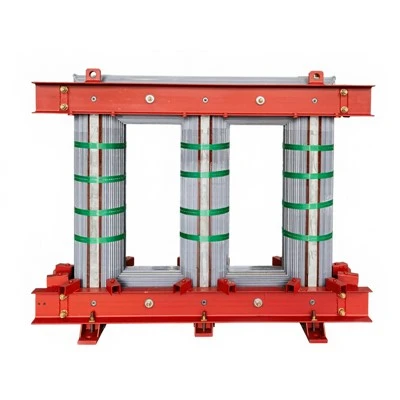
- Oil-immersed Transformer Core-type Core: Oil-immersed transformer core-type cores are used in large power transformers. These cores are immersed in oil to provide cooling and insulation, which helps to improve the performance and reliability of the transformer. Oil-immersed Transformer Core-type Core
Conclusion
In conclusion, the interaction between an iron core and direct current is a complex and important topic in electrical engineering. The iron core plays a crucial role in enhancing the magnetic field produced by the direct current and can have significant implications for the performance and design of electrical devices. Understanding this interaction is essential for the development and optimization of various electrical applications, from small electronic devices to large power systems.
As an iron core supplier, we are committed to providing high-quality iron cores that meet the specific requirements of our customers. Whether you are in the mining, rail transit, or electronics industry, we have the expertise and resources to offer you the best solutions. If you are interested in learning more about our products or have any questions regarding the interaction between iron cores and direct current, please feel free to contact us. We look forward to the opportunity to discuss your needs and explore potential partnerships.
References
- Grover, F. W. (1946). Inductance Calculations: Working Formulas and Tables. Dover Publications.
- Chapman, S. J. (2012). Electric Machinery Fundamentals. McGraw-Hill Education.
- Fitzgerald, A. E., Kingsley, C., & Umans, S. D. (2003). Electric Machinery. McGraw-Hill Education.