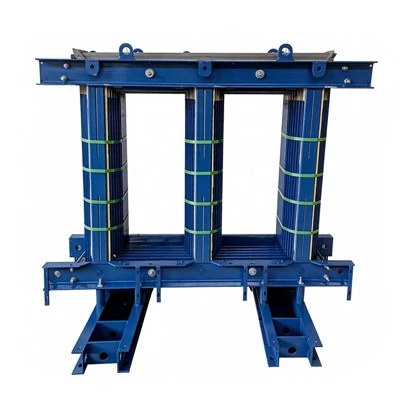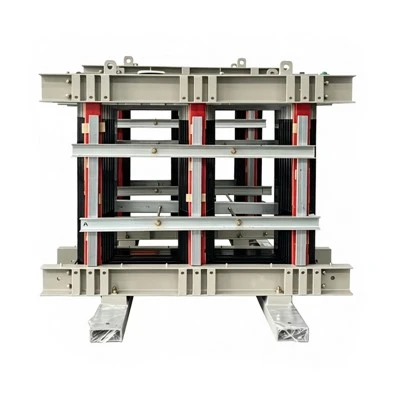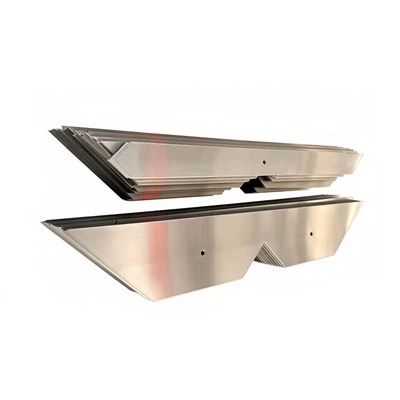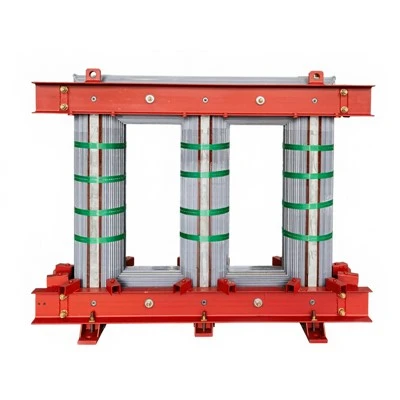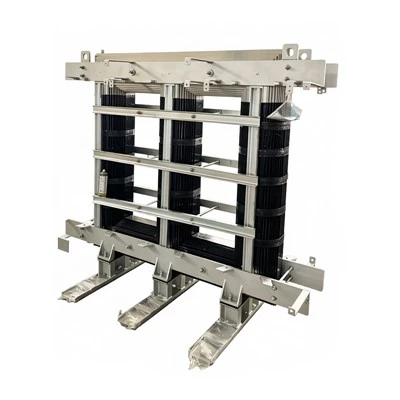

Hey there! As a supplier of Oil Immersed Transformer Cores, I've been deep into the world of these power - important components. Today, I wanna chat about how the core's magnetic permeability affects oil - immersed transformer cores.
First off, let's quickly explain what magnetic permeability is. Simply put, it's a measure of how easily a magnetic field can pass through a material. In the context of transformer cores, it plays a crucial role in the overall performance and efficiency of the transformer.
When it comes to oil - immersed transformers, the core is the heart of the operation. It's where the magic of electromagnetic induction happens, which allows us to step up or step down voltages. And the magnetic permeability of the core material can make or break this process.
A high magnetic permeability material in the core means that the magnetic field lines can flow through it more readily. This makes the transformer more efficient. You see, when the magnetic field can pass through the core easily, less energy is wasted in creating and maintaining the magnetic field. That's a big deal because in the power industry, even a small increase in efficiency can lead to significant cost savings and reduced environmental impact over the long run.
For example, if we use a material with high magnetic permeability for the core, we can get a better coupling between the primary and secondary windings of the transformer. This results in a more accurate voltage transformation. We don't want any unnecessary losses due to poor magnetic coupling. Who wants to pay for that extra, wasted energy?
One super popular material for transformer cores with high magnetic permeability is the Crgo Lamination Core. CRGO (Cold Rolled Grain Oriented) steel is well - known for its excellent magnetic properties. It can handle high magnetic fluxes without getting saturated easily. This saturation thing is important because when a core gets saturated, it can't carry any more magnetic flux, and that leads to inefficiencies and potentially even damage to the transformer.
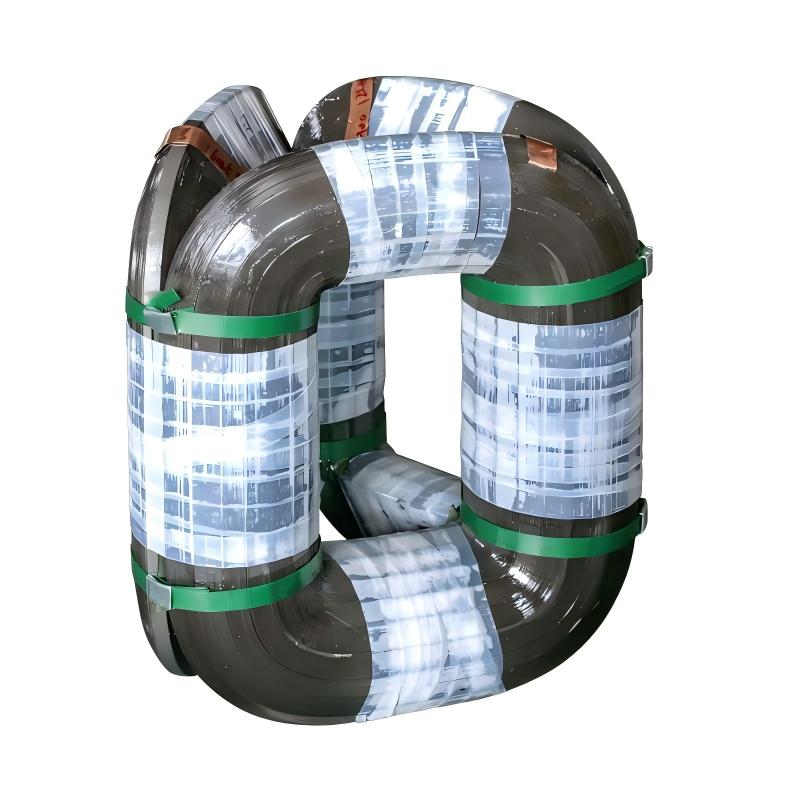
Now, let's talk about some different types of cores. The Three - dimensional Wound Core is an interesting option. Its unique winding structure allows for a more uniform distribution of the magnetic field. And when combined with a high - permeability material, it can really boost the performance of the oil - immersed transformer. The uniform magnetic field means that there are fewer hotspots within the core, which can extend the lifespan of the transformer.
Another aspect we need to consider is the Core Limb. The core limb is an essential part of the overall core structure. The magnetic permeability of the core limb material affects how the magnetic field is concentrated and distributed within the transformer. If the core limb has low magnetic permeability, it can act as a bottleneck for the magnetic field, causing uneven distribution and reducing the overall efficiency of the transformer.
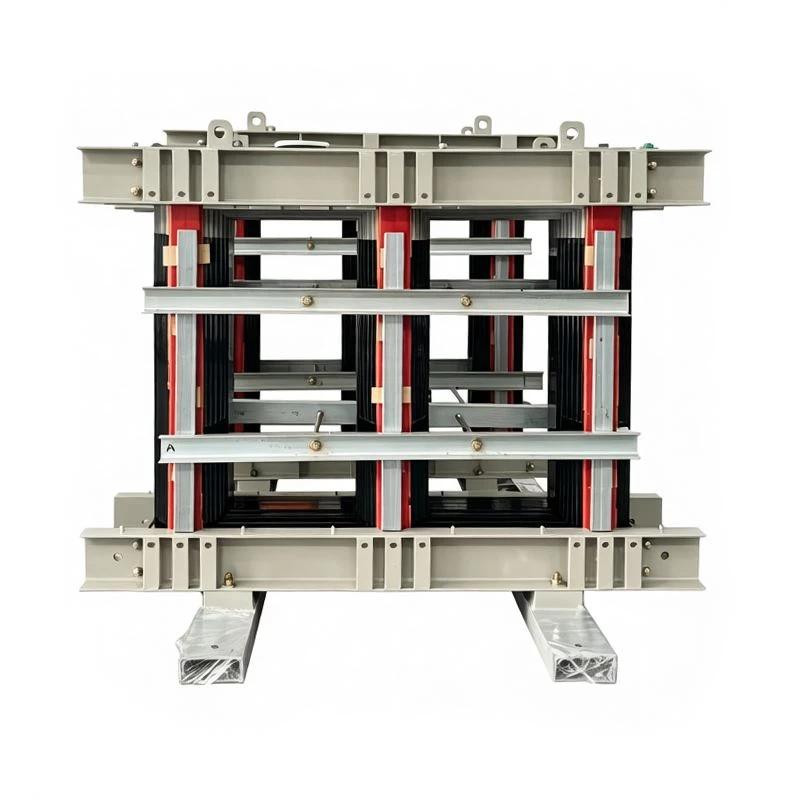
When we look at different types of transformers, like the Three Phase Three Leg Transformer Core, the magnetic permeability becomes even more critical. In a three - phase system, the magnetic fields from each phase interact with each other. A high - permeability core material helps in managing these interactions smoothly. It ensures that the magnetic fields from different phases don't interfere with each other in a negative way, which can lead to power quality issues and equipment damage.
Similarly, for Single - phase Transformer Core, the magnetic permeability of the core material is key to getting the right voltage transformation ratio. A single - phase transformer is often used in smaller applications, like in residential areas. So, having an efficient and reliable core is essential to provide stable power to homes and small businesses.
But it's not all about high magnetic permeability. Sometimes, we need to balance it with other factors. For instance, high - permeability materials can be more expensive. So, as a supplier, we need to figure out the best cost - effective solution for our customers. We also need to consider the mechanical properties of the core material. It has to be strong enough to withstand the physical stresses during the manufacturing and operation of the transformer.
In addition, the magnetic permeability can change with temperature. In an oil - immersed transformer, the oil helps in cooling the core. But as the temperature rises, the magnetic permeability of the core material may change. This can affect the performance of the transformer. So, we need to select a core material that has a relatively stable magnetic permeability over a wide range of temperatures.
As a supplier of Oil Immersed Transformer Cores, I understand the importance of all these factors. We work hard to provide our customers with high - quality cores that are optimized for performance, efficiency, and cost. Whether it's a small single - phase transformer for a residential project or a large three - phase transformer for an industrial plant, we've got the expertise to meet your needs.
If you're in the market for Oil Immersed Transformer Cores, and you want to learn more about how our products can benefit your project, don't hesitate to reach out. We're here to have a chat about your specific requirements and find the best solution for you. Let's work together to make your power systems more efficient and reliable.
References:
- Electromagnetic Theory textbooks for general understanding of magnetic permeability.
- Industry research papers on transformer core materials and their performance.