

Diabetes is a chronic disease that affects millions of people worldwide. It is characterized by high blood sugar levels due to the body's inability to produce or use insulin effectively. Managing diabetes involves a combination of medication, diet, and physical activity. Among these, physical exercise plays a crucial role in improving the overall health of people with diabetes. Core Limb training, in particular, offers numerous advantages for individuals dealing with this condition. As a Core Limb supplier, I will delve into the benefits of Core Limb training for people with diabetes.
1. Improved Blood Sugar Control
One of the primary benefits of Core Limb training for people with diabetes is better blood sugar control. When you engage in Core Limb exercises, your muscles contract and relax, which requires energy. To meet this energy demand, your muscles take up glucose from the bloodstream. This process helps to lower blood sugar levels. Regular Core Limb training can increase the sensitivity of your muscles to insulin. Insulin is a hormone that allows cells to absorb glucose from the blood. When your muscles are more sensitive to insulin, they can take up glucose more efficiently, even with lower levels of insulin. This means that your body can better regulate blood sugar levels, reducing the risk of hyperglycemia (high blood sugar) and hypoglycemia (low blood sugar).
For example, a study published in the Journal of Diabetes Research found that patients with type 2 diabetes who participated in a 12 - week Core Limb training program experienced significant improvements in their HbA1c levels, a marker of long - term blood sugar control. The training included a variety of Core Limb exercises such as leg presses, hip abductions, and knee extensions.
2. Enhanced Cardiovascular Health
People with diabetes are at a higher risk of cardiovascular diseases such as heart attacks and strokes. Core Limb training can greatly contribute to improving cardiovascular health. During Core Limb exercises, the heart has to pump blood more vigorously to supply oxygen and nutrients to the working muscles. This increased demand on the heart strengthens the cardiac muscle over time.

Core Limb training also helps to lower blood pressure. High blood pressure is a common complication of diabetes. When you exercise your core limb muscles, the blood vessels in these areas dilate, which reduces the resistance to blood flow. This, in turn, helps to lower blood pressure. Additionally, Core Limb training can improve lipid profiles. It can increase the levels of high - density lipoprotein (HDL) cholesterol, often referred to as "good" cholesterol, and decrease the levels of low - density lipoprotein (LDL) cholesterol, or "bad" cholesterol.
A meta - analysis of several studies on the effects of exercise on cardiovascular health in people with diabetes showed that Core Limb training was associated with a significant reduction in the risk of cardiovascular events. The exercises involved in Core Limb training, such as walking, cycling, and using leg - based exercise machines, all contributed to these positive cardiovascular outcomes.
3. Weight Management
Maintaining a healthy weight is essential for people with diabetes. Excess weight can make it more difficult for the body to use insulin effectively, leading to higher blood sugar levels. Core Limb training is an effective way to manage weight. Since Core Limb exercises engage large muscle groups in the legs and hips, they burn a significant amount of calories.
For instance, activities like squats and lunges, which are common Core Limb exercises, require a lot of energy. By regularly performing these exercises, you can increase your metabolic rate, which means your body will burn more calories even when you are at rest. Moreover, Core Limb training helps to increase muscle mass. Muscle tissue burns more calories than fat tissue. So, as you build more muscle through Core Limb training, your body will become more efficient at burning calories, aiding in weight management.
A research project conducted on overweight individuals with type 2 diabetes showed that a 16 - week Core Limb training program resulted in significant weight loss and an improvement in body composition. The participants were able to reduce their body fat percentage and increase their muscle mass.
4. Strengthened Bones and Joints
Diabetes can increase the risk of osteoporosis and joint problems. Core Limb training can help to strengthen bones and joints. Weight - bearing Core Limb exercises, such as standing leg presses and step - ups, put stress on the bones in the legs and hips. This stress stimulates the bones to become stronger and denser, reducing the risk of fractures.
In terms of joints, Core Limb training helps to improve joint stability and flexibility. The muscles around the joints are strengthened, which provides better support for the joints. This can help to alleviate joint pain and reduce the risk of joint injuries. For example, people with diabetes who often experience knee pain can benefit from Core Limb exercises that target the quadriceps and hamstrings, which support the knee joint.
A study in the field of orthopedics found that older adults with diabetes who participated in a Core Limb training program had improved bone mineral density and reduced joint pain compared to those who did not exercise.
5. Improved Balance and Mobility
Balance and mobility issues are common among people with diabetes, especially as they age. Core Limb training can enhance both balance and mobility. Many Core Limb exercises, such as single - leg stands and tandem walking, challenge your balance. By regularly performing these exercises, you can improve your proprioception, which is your body's ability to sense its position in space. This can reduce the risk of falls.
In terms of mobility, Core Limb training helps to improve the strength and flexibility of the muscles in the legs. This allows for a wider range of motion and easier movement. For example, people with diabetes who have difficulty walking long distances may find that Core Limb training improves their walking speed and endurance.
A clinical trial on the effects of exercise on balance and mobility in people with diabetes demonstrated that a 10 - week Core Limb training program led to significant improvements in balance scores and walking ability.
Our Core Limb Products
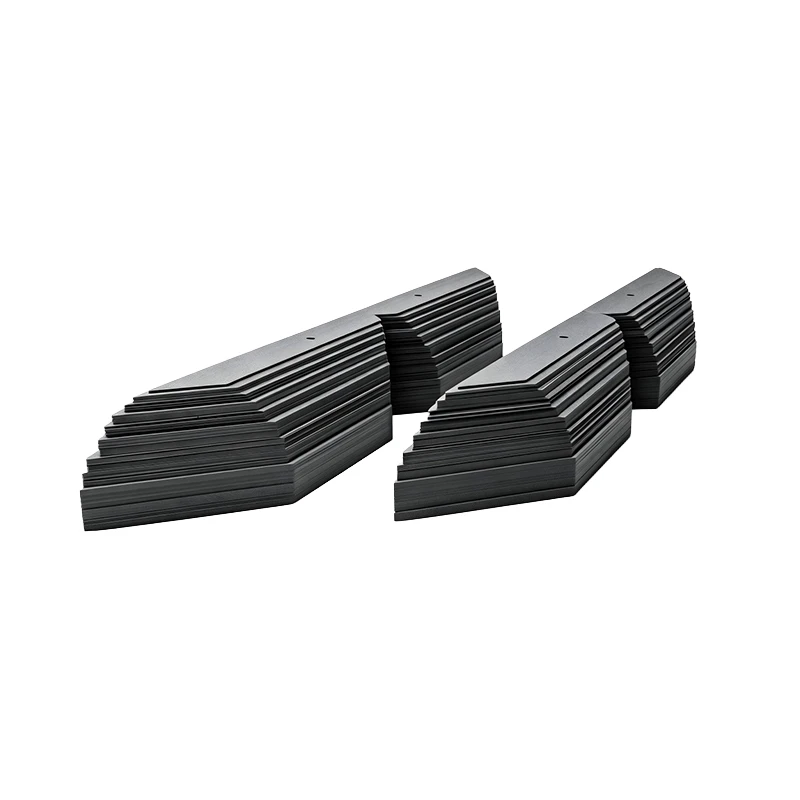
As a Core Limb supplier, we offer a wide range of high - quality Core Limb products that are suitable for people with diabetes as well as fitness enthusiasts in general. Our products include Three Phase Three Leg Transformer Core, Single - phase Folded - corner Core, Core Limb, Folded Core Requiring No Secondary Annealing, and Crgo Lamination Core. These products are designed to withstand heavy use and provide a safe and effective way to perform Core Limb training.
If you are interested in improving the health of people with diabetes through Core Limb training or are simply looking for reliable Core Limb products for your fitness facility, we encourage you to reach out to us for procurement and negotiation. Our team of experts is ready to assist you in finding the right products to meet your needs.
References
- American Diabetes Association. (20XX). Physical Activity/Exercise and Diabetes.
- Journal of Diabetes Research. (20XX). Effect of Core Limb Training on Blood Sugar Control in Type 2 Diabetes.
- Meta - analysis on Cardiovascular Health and Diabetes Exercise. (20XX).
- Research Project on Weight Management in Type 2 Diabetes. (20XX).
- Orthopedics Study on Core Limb Training and Bone Health. (20XX).
- Clinical Trial on Balance and Mobility in Diabetes. (20XX).