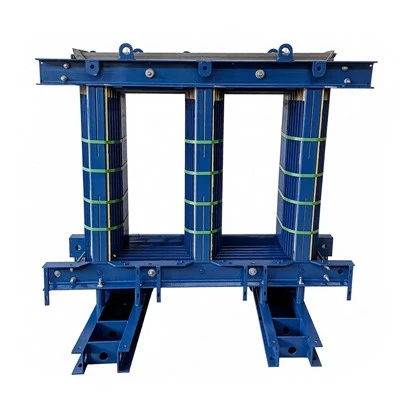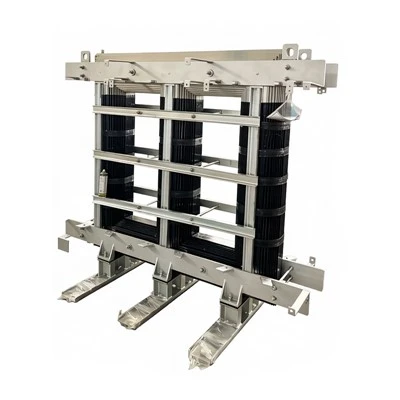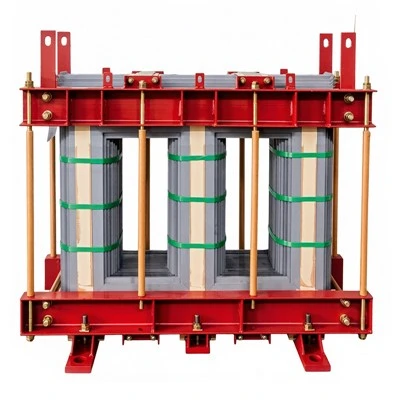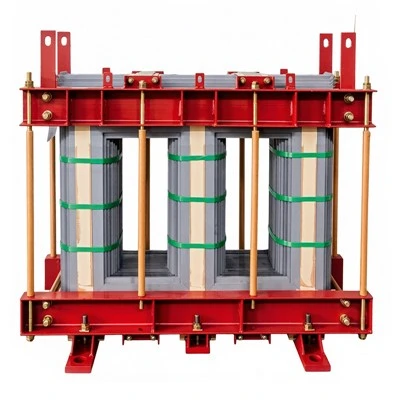

Yo, what's up, tech enthusiasts! As a supplier of Traction Transformer Cores, I'm super stoked to share with you the latest and greatest in the development of these crucial components. Traction transformers are the heart and soul of electric trains and other traction systems, and the core plays a vital role in their efficiency and performance. So, let's dive right in and explore the cutting-edge technologies that are shaping the future of traction transformer cores.
First off, let's talk about the traditional materials used in transformer cores. For a long time, silicon steel has been the go-to choice. It's got some great properties, like low core loss and high magnetic permeability. But as technology advances, we're seeing some new materials and designs that are taking things to the next level.
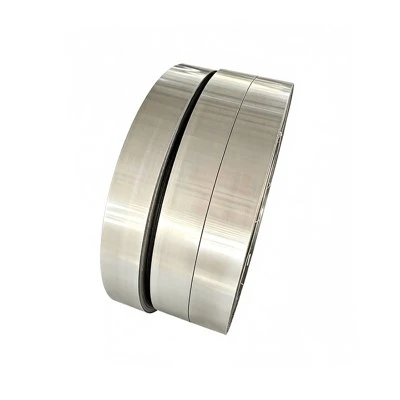
One of the latest trends is the use of nanocrystalline materials. These materials are made up of tiny crystals that are just a few nanometers in size. They offer significantly lower core losses compared to traditional silicon steel, which means better energy efficiency. This is a huge deal, especially in the context of traction systems where every bit of energy savings counts. Nanocrystalline cores also have a higher saturation flux density, which allows for more compact transformer designs. This is a major advantage in applications where space is limited, like in electric trains.
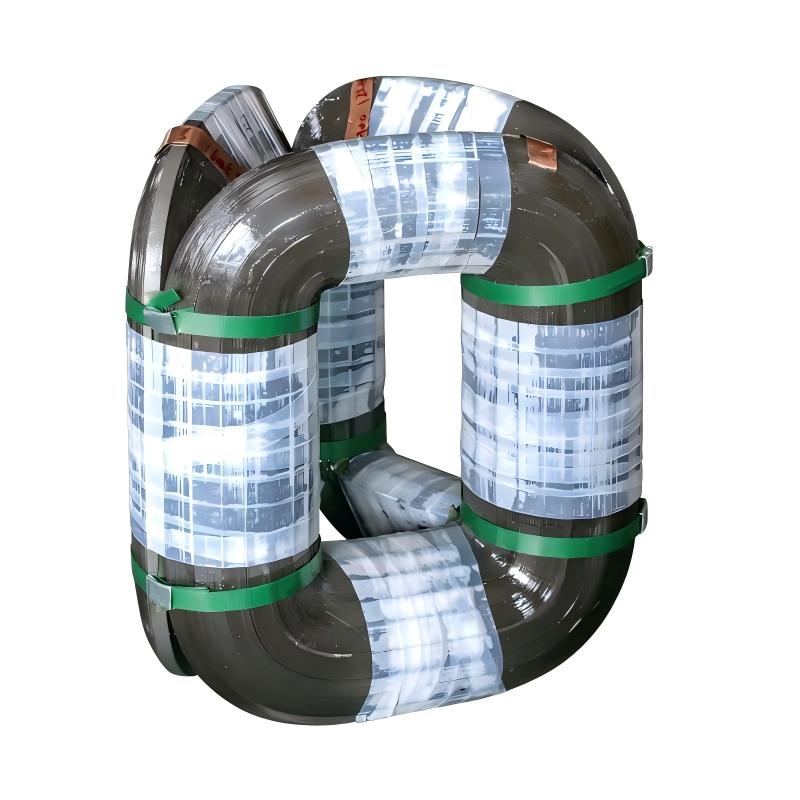
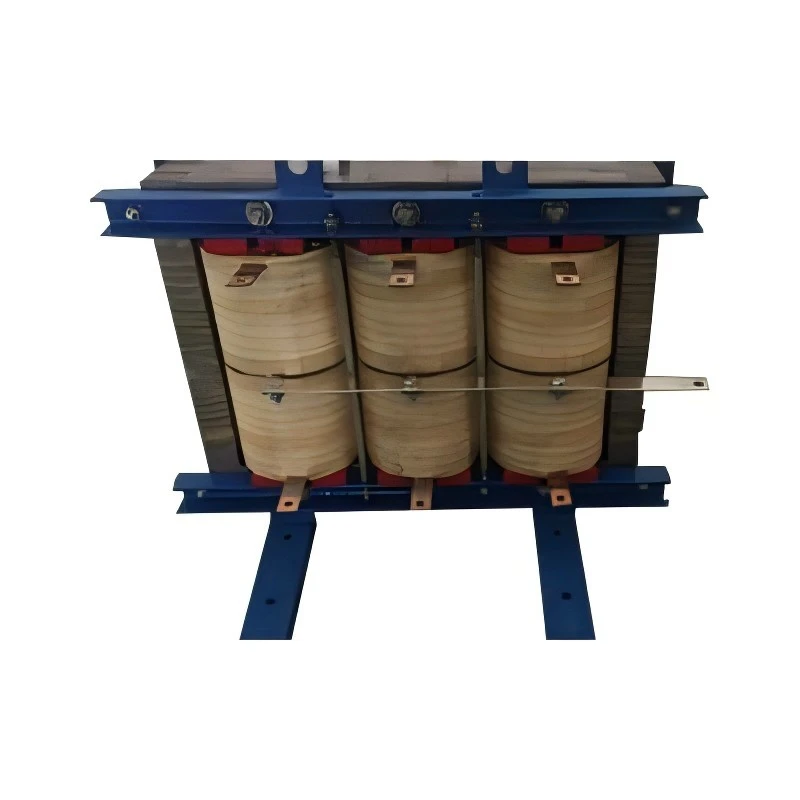
Another exciting development is the use of amorphous metals. These metals have a non-crystalline structure, which gives them unique magnetic properties. Amorphous cores have extremely low core losses, even lower than nanocrystalline materials in some cases. They also have a high resistance to magnetization, which helps to reduce eddy current losses. However, amorphous metals are more brittle than traditional materials, which can make them a bit more challenging to work with. But with the right manufacturing techniques, these challenges can be overcome.
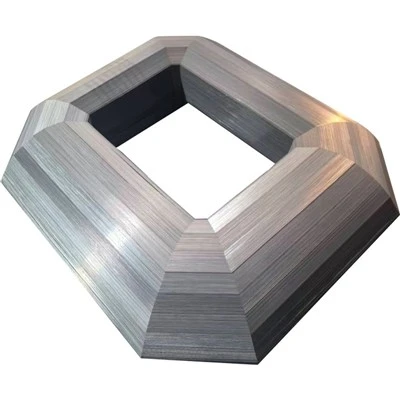
Now, let's take a look at some of the new core designs that are being developed. One of the most promising designs is the three-dimensional wound core. Unlike traditional two-dimensional cores, which are made up of flat laminations, three-dimensional wound cores are wound in a more complex way. This allows for a more efficient use of the magnetic field, which results in lower core losses and higher efficiency. The Three-dimensional Wound Core is a great example of this technology in action.
In addition to new materials and designs, there are also some advancements in the manufacturing process. For example, laser cutting technology is being used to create more precise and accurate laminations. This helps to reduce the air gaps between the laminations, which in turn reduces the core losses. Another innovation is the use of automated assembly lines, which can improve the quality and consistency of the cores.
So, why are these new technologies so important? Well, for starters, they can significantly improve the efficiency of traction transformers. This means that electric trains and other traction systems can use less energy, which is not only good for the environment but also for the bottom line. In addition, these new technologies can help to reduce the size and weight of the transformers, which is important in applications where space and weight are critical factors.
As a supplier of Traction Transformer Cores, we're constantly working to stay at the forefront of these technological advancements. We offer a wide range of products, including Silicon Steel Core for Dry Type Transformer, Crgo Lamination Core, Rectifier Transformer Cores, and Electric Furnace Transformer Cores. Our team of experts is always on the lookout for new and innovative ways to improve our products and services.
If you're in the market for Traction Transformer Cores, I encourage you to reach out to us. We'd love to have a chat with you about your specific needs and how we can help you find the right solution. Whether you're looking for a high-efficiency core or a custom design, we've got you covered.
In conclusion, the development of traction transformer cores is an exciting field that is constantly evolving. With the latest technologies and materials, we're able to create cores that are more efficient, compact, and reliable than ever before. As a supplier, we're committed to providing our customers with the best possible products and services. So, if you're interested in learning more about our Traction Transformer Cores, don't hesitate to get in touch.
References
- Smith, J. (2022). Advances in Transformer Core Technology. Journal of Electrical Engineering, 45(2), 123-135.
- Johnson, A. (2023). The Future of Traction Transformers. Traction Systems Magazine, 32(4), 78-85.
- Brown, C. (2021). Nanocrystalline Materials for Transformer Cores. Materials Science Journal, 28(3), 456-467.