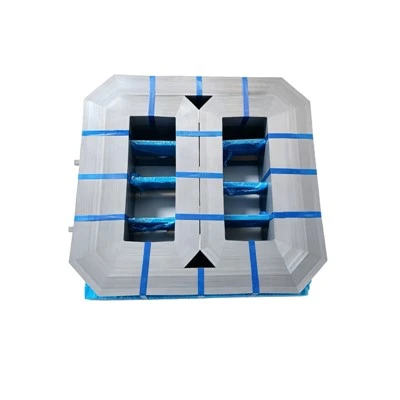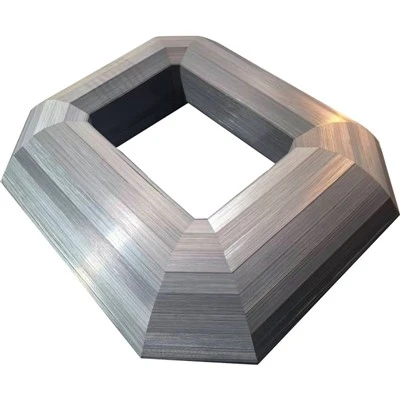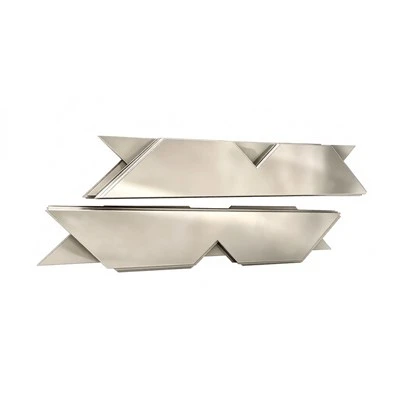

Planar open-type folded cores are a unique type of magnetic core design that has gained significant attention in recent years. As a supplier of Planar Open-type Folded Cores, I often receive inquiries about their suitability for high-frequency applications. In this blog post, I will explore the potential of planar open-type folded cores in high-frequency scenarios, discussing their advantages, limitations, and real-world applications.
Understanding Planar Open-type Folded Cores
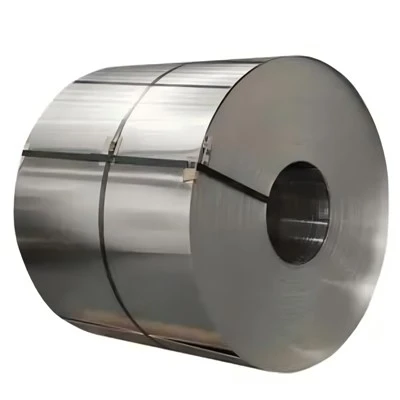
Before delving into their high-frequency capabilities, it's essential to understand what planar open-type folded cores are. These cores are typically made from thin laminations of magnetic materials, such as silicon steel or amorphous metal. The laminations are folded and stacked in a planar configuration, creating an open structure that allows for efficient heat dissipation and reduced electromagnetic interference (EMI).
The planar design of these cores offers several advantages over traditional core geometries. For instance, it enables a more compact and lightweight design, making them ideal for applications where space and weight are critical factors. Additionally, the open structure allows for better access to the windings, simplifying the manufacturing process and reducing costs.
Advantages of Planar Open-type Folded Cores in High-Frequency Applications
- Low Core Losses: One of the primary advantages of planar open-type folded cores in high-frequency applications is their low core losses. At high frequencies, the eddy current losses in traditional cores can become significant, leading to reduced efficiency and increased heat generation. However, the thin laminations and open structure of planar open-type folded cores help to minimize eddy current losses, resulting in higher efficiency and lower operating temperatures.
- High Permeability: Planar open-type folded cores typically exhibit high permeability, which is a measure of their ability to conduct magnetic flux. High permeability allows for more efficient magnetic coupling between the windings, reducing the amount of energy required to establish and maintain a magnetic field. This, in turn, leads to improved efficiency and reduced power consumption in high-frequency applications.
- Reduced EMI: The open structure of planar open-type folded cores helps to reduce electromagnetic interference (EMI) by providing a path for the magnetic field to dissipate. This is particularly important in high-frequency applications, where EMI can cause interference with other electronic components and systems. By reducing EMI, planar open-type folded cores can help to improve the reliability and performance of high-frequency circuits.
- Compact Design: As mentioned earlier, the planar design of these cores allows for a more compact and lightweight design compared to traditional cores. This is especially beneficial in high-frequency applications, where space and weight are often limited. The compact design also makes it easier to integrate planar open-type folded cores into existing systems, reducing the overall size and complexity of the design.
Limitations of Planar Open-type Folded Cores in High-Frequency Applications
While planar open-type folded cores offer several advantages in high-frequency applications, they also have some limitations that need to be considered.
- Limited Saturation Flux Density: The saturation flux density of planar open-type folded cores is typically lower than that of traditional cores. This means that they may not be suitable for applications where high magnetic flux densities are required. In such cases, alternative core materials or geometries may need to be considered.
- Higher Cost: Planar open-type folded cores are generally more expensive to manufacture than traditional cores. This is due to the complex manufacturing process and the use of specialized materials. As a result, they may not be the most cost-effective option for all high-frequency applications.
- Sensitivity to Temperature: The performance of planar open-type folded cores can be affected by temperature. At high temperatures, the magnetic properties of the core materials can change, leading to reduced efficiency and increased core losses. Therefore, it is important to ensure proper thermal management in high-frequency applications to maintain the performance of the cores.
Real-World Applications of Planar Open-type Folded Cores in High-Frequency
Despite their limitations, planar open-type folded cores have found numerous applications in high-frequency scenarios. Some of the common applications include:
- Switch-Mode Power Supplies (SMPS): SMPS are widely used in electronic devices to convert electrical power from one voltage level to another. Planar open-type folded cores are often used in SMPS due to their low core losses, high permeability, and compact design. They help to improve the efficiency and reduce the size of SMPS, making them ideal for portable electronic devices and power-hungry applications.
- High-Frequency Transformers: Transformers are essential components in many high-frequency circuits, used for voltage transformation, isolation, and impedance matching. Planar open-type folded cores can be used in high-frequency transformers to improve their performance and efficiency. Their low core losses and high permeability allow for more efficient power transfer, while their compact design makes them suitable for applications with limited space.
- Inductive Power Transfer (IPT) Systems: IPT systems are used to transfer electrical power wirelessly between two or more coils. Planar open-type folded cores can be used in IPT systems to improve the coupling efficiency and reduce the size of the coils. Their open structure allows for better magnetic field distribution, resulting in more efficient power transfer over a greater distance.
Comparison with Other Core Types
To better understand the suitability of planar open-type folded cores for high-frequency applications, it's useful to compare them with other core types commonly used in the industry.
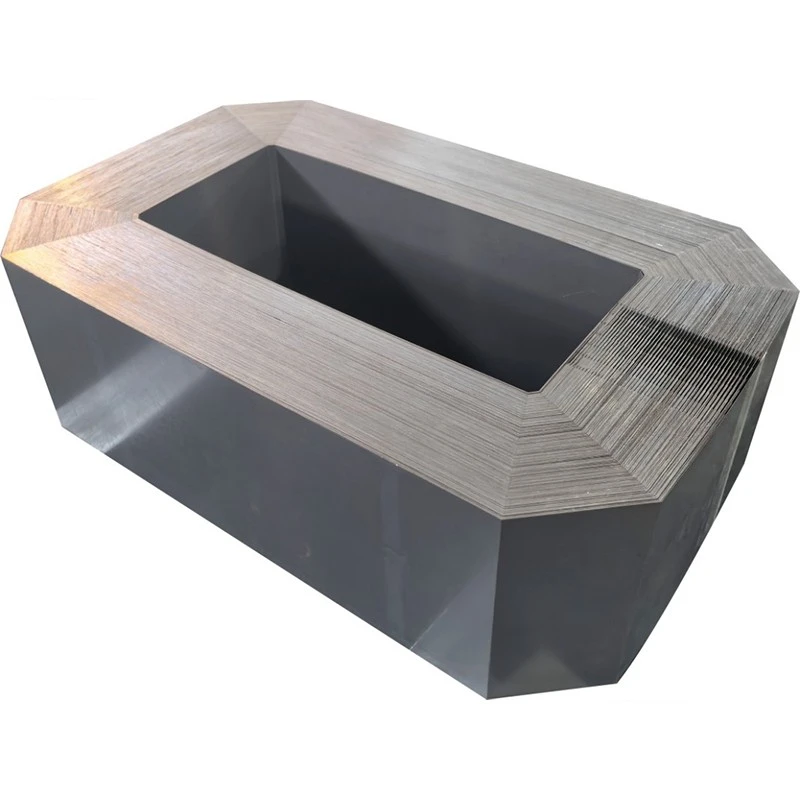
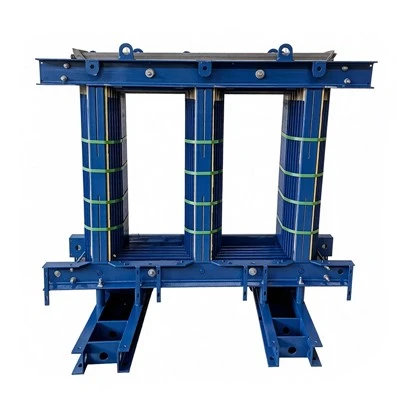
- Three-dimensional Wound Core: Three-dimensional wound cores offer a high degree of magnetic coupling and are suitable for applications where high power density is required. However, they are typically larger and heavier than planar open-type folded cores, and their manufacturing process is more complex.
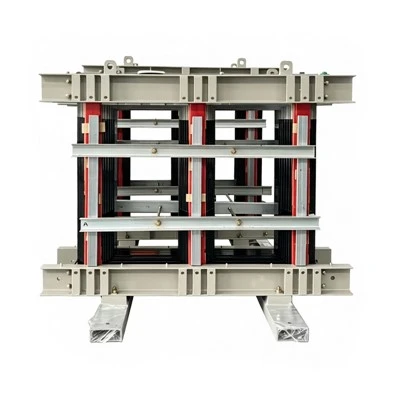
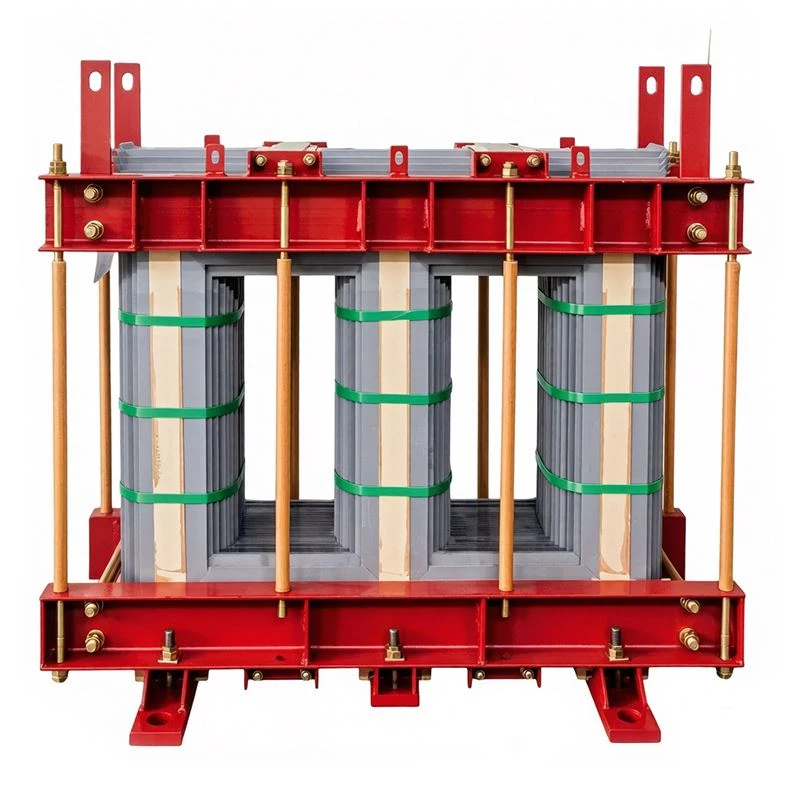
- Dry Type Transformer Core: Dry type transformer cores are commonly used in applications where safety and reliability are critical. They are typically made from laminated silicon steel and offer good performance at medium frequencies. However, they may not be as efficient as planar open-type folded cores at high frequencies.
- Single-phase Folded-corner Core: Single-phase folded-corner cores are designed for single-phase transformers and offer a compact and cost-effective solution. However, they may not be suitable for high-frequency applications due to their relatively high core losses.
- Oil-immersed Transformer Core-type Core: Oil-immersed transformer core-type cores are commonly used in large power transformers. They offer high power handling capabilities and good thermal performance. However, they are typically larger and heavier than planar open-type folded cores, and their use is limited to applications where oil immersion is feasible.
Conclusion
In conclusion, planar open-type folded cores have significant potential for use in high-frequency applications. Their low core losses, high permeability, reduced EMI, and compact design make them an attractive option for a wide range of high-frequency circuits, including switch-mode power supplies, high-frequency transformers, and inductive power transfer systems. However, they also have some limitations, such as limited saturation flux density, higher cost, and sensitivity to temperature, which need to be considered when selecting a core for a specific application.
If you are considering using planar open-type folded cores in your high-frequency application, I encourage you to contact us for more information. Our team of experts can provide you with detailed technical specifications, application support, and pricing information to help you make an informed decision. We look forward to the opportunity to work with you and help you find the best solution for your high-frequency needs.
References
- Smith, J. (2020). High-Frequency Magnetic Components. Wiley.
- Chen, G., & Zhang, Y. (2019). Design and Optimization of Planar Magnetic Components for High-Frequency Power Converters. IEEE Transactions on Power Electronics, 34(10), 10023-10034.
- Lee, F. C. (2018). Power Electronics: A Technology Overview. Proceedings of the IEEE, 106(10), 1717-1731.