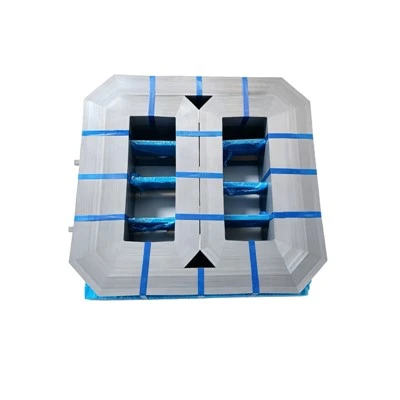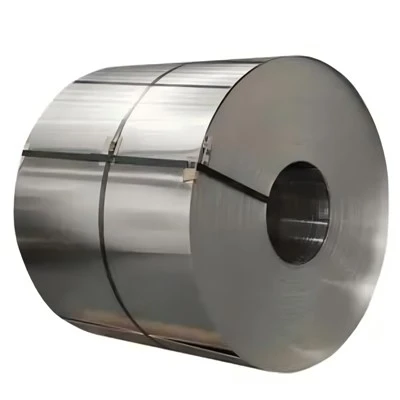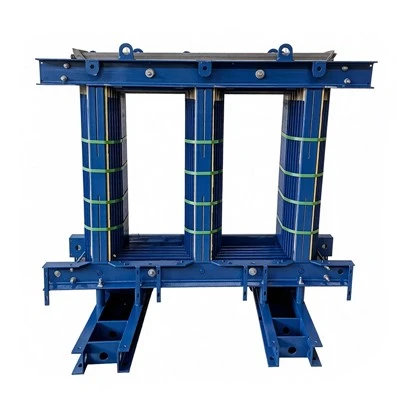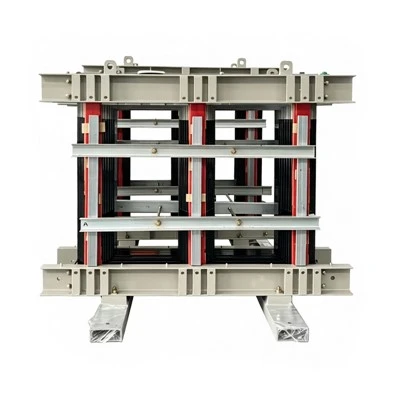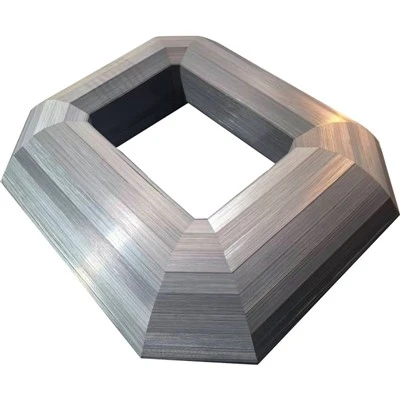

As a supplier of Core Type Dry Type Transformer Cores, I understand the critical importance of diagnosing internal problems accurately. A well - functioning transformer core is the heart of a transformer, and any internal issues can lead to reduced efficiency, increased energy consumption, and even complete failure. In this blog, I will share some effective ways to diagnose the internal problems of a core type dry type transformer core.
Visual Inspection
The first step in diagnosing a transformer core is a thorough visual inspection. This is a non - invasive and relatively simple method, but it can provide a wealth of information.
When conducting a visual inspection, check the physical appearance of the core. Look for any signs of physical damage, such as cracks, chips, or deformities on the core laminations. Damaged laminations can disrupt the magnetic field within the core, leading to increased eddy current losses and reduced efficiency. For example, if a lamination is cracked, the magnetic flux may not be able to flow smoothly through the core, causing local overheating.
Inspect the insulation around the core. The insulation is crucial for preventing short - circuits between the laminations. Look for signs of insulation degradation, such as discoloration, charring, or peeling. Insulation breakdown can lead to short - circuits within the core, which can cause significant damage to the transformer. You can find high - quality insulation materials in our Silicon Steel Core for Dry Type Transformer, which are designed to withstand high temperatures and electrical stresses.
Temperature Monitoring
Temperature is a key indicator of the health of a transformer core. An overheating core can be a sign of internal problems, such as excessive eddy currents, short - circuits, or poor ventilation.
Install temperature sensors at strategic locations on the transformer core. These sensors can continuously monitor the temperature and send real - time data to a monitoring system. Compare the measured temperatures with the manufacturer's recommended operating temperatures. If the temperature exceeds the normal range, it may indicate an internal problem.
For example, if the temperature of a particular area of the core is significantly higher than the rest, it could be a sign of a local short - circuit or increased magnetic losses in that area. Regularly analyze the temperature trends over time. A gradual increase in temperature over several days or weeks may indicate a developing problem that requires further investigation.
Electrical Tests
Electrical tests are essential for diagnosing the internal electrical properties of the transformer core.
Winding Resistance Measurement
Measure the resistance of the transformer windings. Use a precision multimeter to measure the resistance of each winding. Compare the measured resistances with the design values. A significant deviation from the design values may indicate a problem with the windings, such as a short - circuit, an open - circuit, or excessive winding resistance due to damaged conductors.
Insulation Resistance Test
Perform an insulation resistance test on the transformer windings and the core. This test measures the resistance of the insulation to electrical current. Use an insulation resistance tester to apply a test voltage and measure the resulting current. A low insulation resistance value may indicate insulation degradation, moisture ingress, or a short - circuit.
Turns Ratio Test
The turns ratio test is used to verify the ratio of the number of turns in the primary and secondary windings of the transformer. Use a turns ratio tester to measure the voltage ratio between the primary and secondary windings. Compare the measured turns ratio with the design turns ratio. A significant deviation may indicate a problem with the winding turns, such as a short - circuited turn or an open - circuited turn.
Magnetic Flux Testing
The magnetic flux within the transformer core is a fundamental characteristic of its operation. Measuring the magnetic flux can help diagnose problems related to the magnetic properties of the core.
Use a magnetic flux sensor to measure the magnetic flux density at various points on the core. Compare the measured values with the theoretical values based on the transformer design. An abnormal magnetic flux density distribution may indicate problems such as magnetic saturation, core misalignment, or damaged laminations.
For example, if the magnetic flux density is much higher in one area of the core compared to the rest, it could be a sign of magnetic saturation in that area, which can lead to increased core losses and overheating.
Acoustic Monitoring
Acoustic monitoring can detect abnormal sounds produced by the transformer core. A normal transformer core operates with a relatively quiet and stable hum. However, internal problems can cause abnormal noises.
Install acoustic sensors around the transformer. These sensors can pick up any unusual sounds, such as clicking, buzzing, or cracking noises. Analyze the frequency and intensity of the acoustic signals.
For instance, a clicking noise may indicate a loose connection within the core, while a high - pitched buzzing noise could be a sign of magnetic vibration due to a misaligned core or excessive magnetic forces.
Gas Analysis (for transformers with gas - filled enclosures)
Although dry - type transformers do not typically have a large amount of insulating gas like oil - immersed transformers, some dry - type transformers may have a small amount of gas for insulation or cooling purposes.
Collect gas samples from the transformer enclosure and analyze the gas composition. Look for the presence of abnormal gases, such as hydrogen, methane, or carbon monoxide. The presence of these gases can indicate internal overheating, insulation breakdown, or arcing within the transformer.
In conclusion, diagnosing the internal problems of a core type dry type transformer core requires a comprehensive approach that combines visual inspection, temperature monitoring, electrical tests, magnetic flux testing, acoustic monitoring, and gas analysis (if applicable). By using these methods, you can identify potential problems early and take appropriate measures to prevent further damage.
If you are in the market for high - quality Core Type Dry Type Transformer Cores or other related products such as Traction Transformer Core, Oil Immersed Transformer Cores, Single - phase Folded - corner Core, or Single - phase Transformer Core, please feel free to contact us for a detailed discussion on your requirements. We are committed to providing you with the best products and services to meet your needs.
References
- "Transformer Engineering: Design, Technology, and Diagnostics" by John Arrillaga, Neville R. Watson, and Luigi S. Czarnecki.
- "Electrical Power Systems Quality" by Roger C. Dugan, Mark F. Mcgranaghan, and Surya Santoso.