
Hey there! I'm an iron core supplier, and I've been in this business for quite some time. One of the most common issues that my customers face is power losses in iron cores. It's a big deal because power losses can lead to decreased efficiency, higher energy costs, and even shorten the lifespan of the equipment. So, I thought I'd share some tips on how we can reduce these power losses.
Understanding Power Losses in Iron Cores
Before we dive into the solutions, let's quickly go over what causes power losses in iron cores. There are two main types of losses: hysteresis losses and eddy current losses.
Hysteresis losses occur when the magnetic field in the iron core changes direction. Every time this happens, the magnetic domains in the iron have to realign themselves, which takes energy. This energy is lost as heat.
Eddy current losses, on the other hand, are caused by the circulating currents that are induced in the iron core when it's exposed to a changing magnetic field. These currents flow in circular paths within the core and generate heat, which is also a form of power loss.
Choosing the Right Material
The first step in reducing power losses is to choose the right material for the iron core. Different materials have different magnetic properties, and some are better at minimizing losses than others.
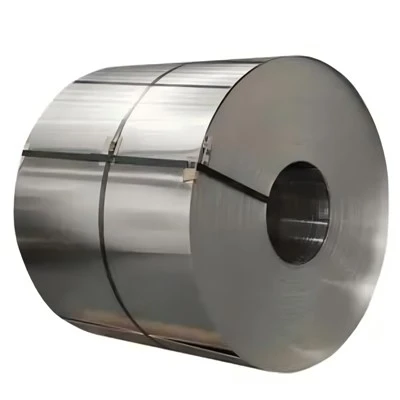
Silicon steel is a popular choice for iron cores because it has low hysteresis and eddy current losses. It contains a small percentage of silicon, which increases its electrical resistivity and reduces the flow of eddy currents. Another advantage of silicon steel is that it has a high magnetic permeability, which means it can easily magnetize and demagnetize, reducing hysteresis losses.
There are also other advanced materials available, such as amorphous metals. These materials have even lower losses than silicon steel, but they are more expensive. However, for applications where high efficiency is crucial, the extra cost may be worth it.
Core Design Optimization
The design of the iron core also plays a significant role in reducing power losses. Here are some design considerations:
-
Lamination Thickness: Using thinner laminations can reduce eddy current losses. The thinner the laminations, the greater the resistance to the flow of eddy currents. However, making the laminations too thin can increase manufacturing costs and make the core more fragile. So, it's a balance that needs to be struck.
-
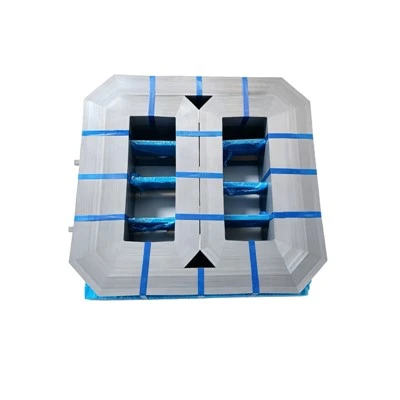
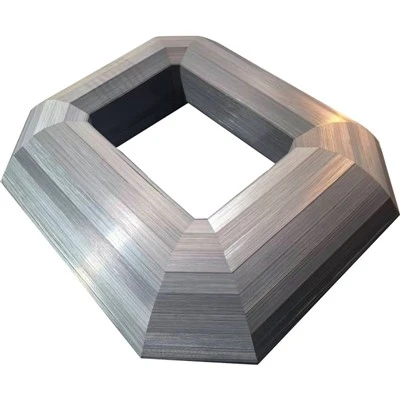
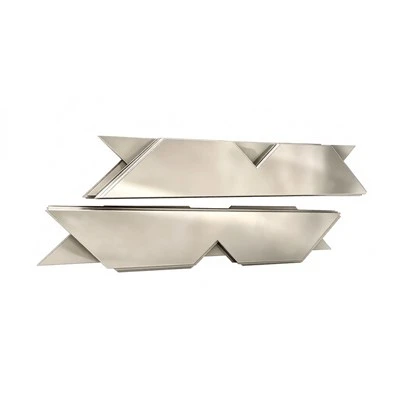
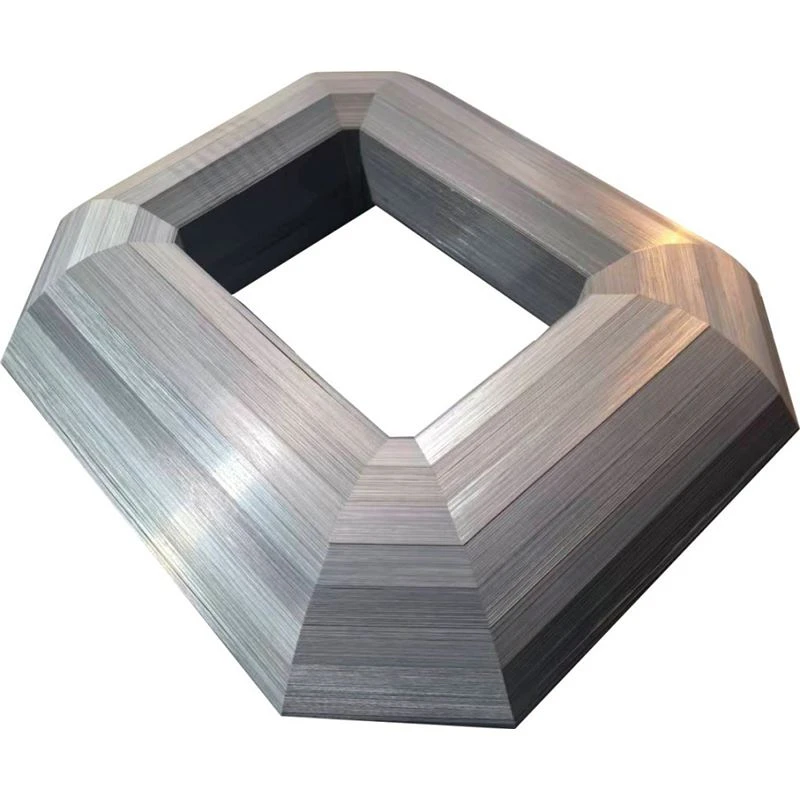
Core Shape: The shape of the core can affect its magnetic properties and, consequently, its power losses. For example, Triangular 3D Open-type Folded Cores have a unique design that can reduce magnetic flux leakage and improve efficiency. This type of core is often used in high - performance applications.
-
Stacking Factor: The stacking factor refers to the ratio of the total cross - sectional area of the magnetic material in the core to the overall cross - sectional area of the core. A higher stacking factor means more magnetic material is present, which can improve the magnetic performance and reduce losses.
Cooling Methods
Proper cooling is essential for reducing power losses in iron cores. When the core heats up due to power losses, its magnetic properties can change, and the losses can increase further. So, keeping the core at a lower temperature is crucial.
-
Natural Cooling: For small and low - power applications, natural cooling may be sufficient. This involves allowing the heat to dissipate into the surrounding air through the surface of the core. However, for larger or high - power applications, natural cooling may not be enough.
-
Forced Air Cooling: Forced air cooling involves using fans to blow air over the core, which increases the heat transfer rate. This is a more effective cooling method than natural cooling and is commonly used in many industrial applications.
-
Liquid Cooling: In some cases, liquid cooling may be required. This involves using a coolant, such as oil or water, to carry the heat away from the core. Liquid cooling is very efficient but can be more complex and expensive to implement. For example, Oil Immersed Transformer Cores use oil as a coolant, which helps in reducing power losses and also provides electrical insulation.
Proper Operation and Maintenance
Once the iron core is installed and in operation, proper operation and maintenance are essential to minimize power losses.
-
Correct Voltage and Frequency: Operating the iron core at the correct voltage and frequency is crucial. If the voltage is too high or the frequency is outside the specified range, it can increase power losses. Make sure to follow the manufacturer's recommendations for voltage and frequency.
-
Regular Inspections: Regularly inspect the iron core for any signs of damage or wear. Check for loose connections, cracks in the core, or any other issues that could affect its performance. Early detection and repair of problems can prevent further damage and reduce power losses.
Applications and Their Specific Requirements
Different applications have different requirements when it comes to reducing power losses in iron cores. Let's take a look at some common applications:
-
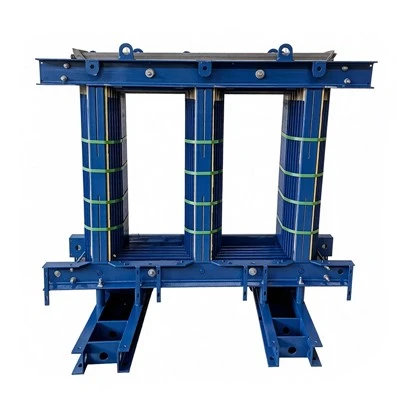
Transformers: Transformers are one of the most common applications of iron cores. For Traction Transformer Core used in railway systems, high efficiency is crucial to reduce energy consumption and operating costs. These cores are often designed with advanced materials and optimized shapes to minimize losses.
-
Rail Transit Transformer Cores: Rail Transit Transformer Cores need to be highly reliable and efficient. They are exposed to various operating conditions, and reducing power losses is essential to ensure smooth operation and reduce maintenance costs.
-
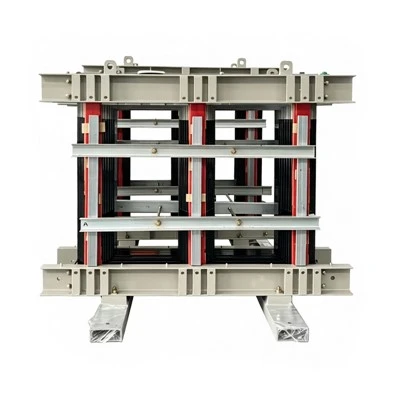
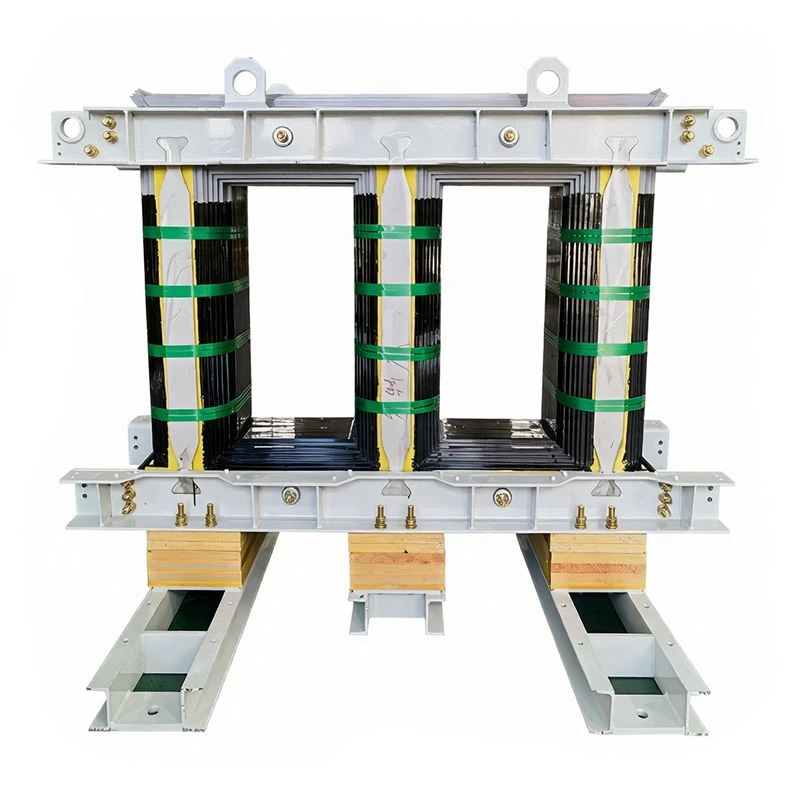
Three Phase Three Leg Transformer Core: Three Phase Three Leg Transformer Core are commonly used in power distribution systems. Designing these cores to minimize power losses can improve the overall efficiency of the power grid.
Why Choose Our Iron Cores
As an iron core supplier, we are committed to providing high - quality products that help our customers reduce power losses. We use the latest materials and manufacturing techniques to ensure that our cores have low hysteresis and eddy current losses. Our team of experts can also work with you to optimize the design of the core based on your specific application requirements.
Whether you need a Triangular 3D Open-type Folded Cores for a high - performance application or a Traction Transformer Core for a railway system, we have the solutions for you.
If you're looking to reduce power losses in your equipment and improve efficiency, don't hesitate to contact us for a procurement discussion. We'll be happy to help you find the right iron core for your needs.
References
- "Magnetic Materials and Their Applications" by E. C. Snelling
- "Transformer Design Principles: With Applications to Core - Form Transformers" by John G. Kirtley Jr.