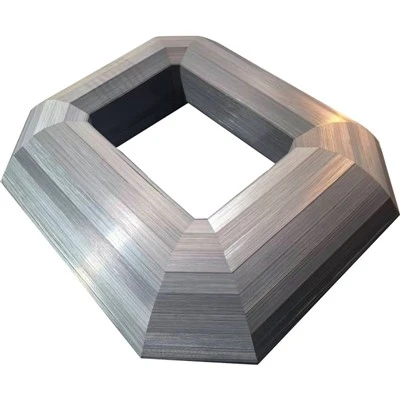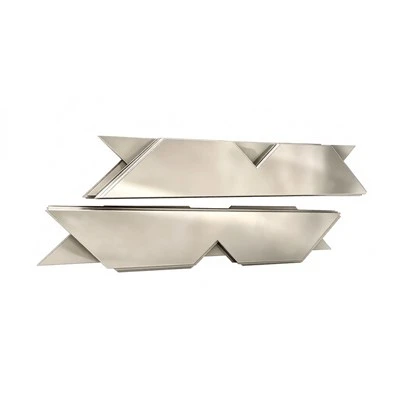

Rail transit transformer cores play a crucial role in the efficient operation of rail transit systems. As a leading supplier of rail transit transformer cores, I have witnessed firsthand the impact of various factors on their efficiency. In this blog, I will explore the key elements that affect the efficiency of rail transit transformer cores, providing insights for industry professionals and potential customers interested in optimizing their rail transit infrastructure.
1. Material Properties
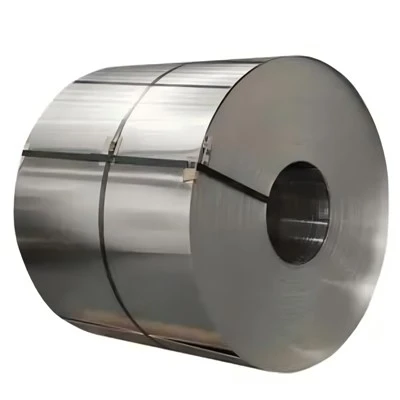
The material used in the transformer core significantly influences its efficiency. The most common material for rail transit transformer cores is cold-rolled grain-oriented (CRGO) steel. CRGO steel has excellent magnetic properties, such as high magnetic permeability and low core loss. These properties allow the core to conduct magnetic flux more efficiently, reducing energy losses during the transformation process.
Transformer Crgo Core is specifically designed to meet the high - performance requirements of rail transit applications. Its unique grain - oriented structure ensures that the magnetic domains align in the direction of the magnetic field, minimizing the magnetic resistance and improving the overall efficiency of the transformer.
The quality of the CRGO steel also matters. Higher - grade CRGO steel has lower core losses, which means less energy is wasted as heat during operation. This not only reduces the operating costs of rail transit transformers but also extends their lifespan by reducing the thermal stress on the core.
2. Core Design
The design of the transformer core is another critical factor. Different core designs are suitable for different rail transit applications, and each design has its own impact on efficiency.
-
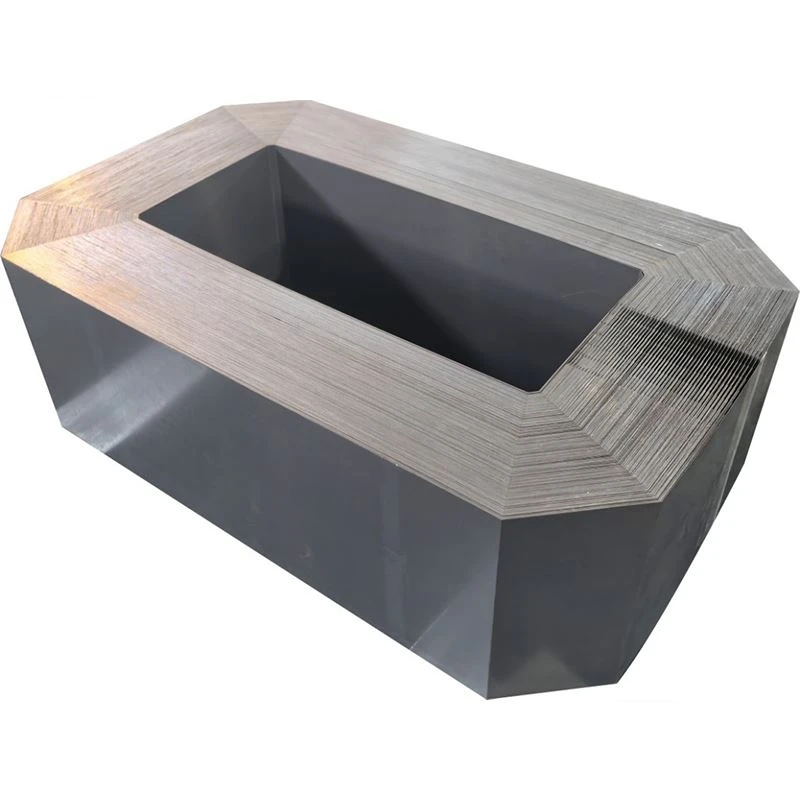
Three - dimensional Wound Core: Three - dimensional Wound Core offers several advantages in terms of efficiency. Its three - dimensional structure allows for a more uniform distribution of the magnetic field, reducing the leakage flux. This results in lower core losses and higher efficiency compared to traditional core designs. The continuous winding of the core also eliminates the air gaps, which further improves the magnetic circuit performance.
-
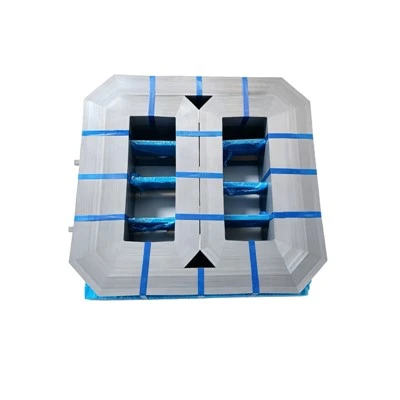
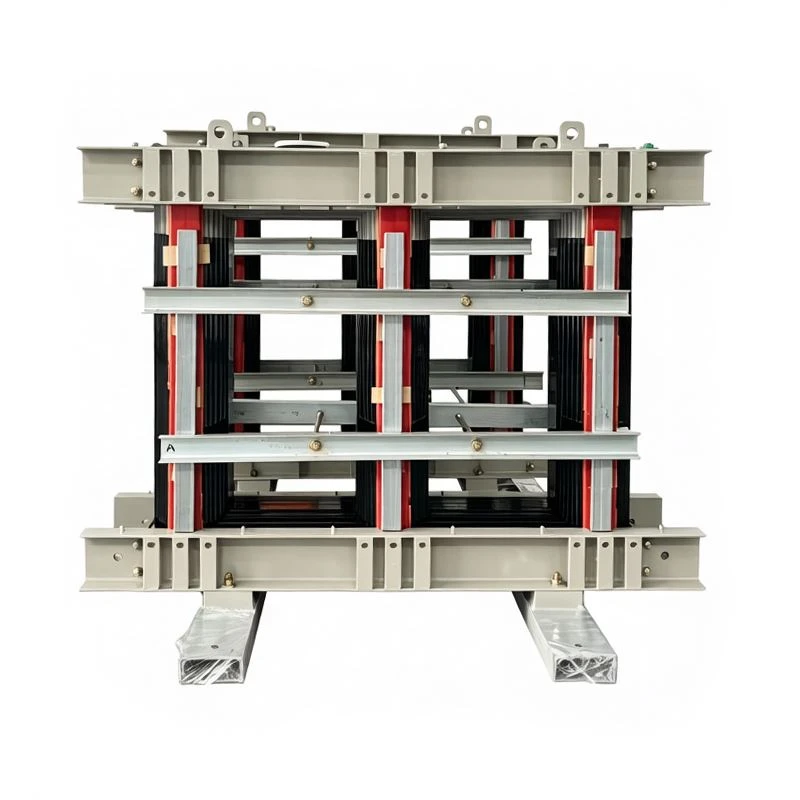
Single - phase Folded - corner Core: The Single - phase Folded - corner Core is designed for single - phase transformers in rail transit. Its folded - corner design provides a more compact structure, which can reduce the size and weight of the transformer. A smaller and lighter transformer generally requires less material and has lower losses, thus improving efficiency. However, the manufacturing process of the folded - corner core is more complex, and proper design and manufacturing techniques are required to ensure optimal performance.
3. Manufacturing Process
The manufacturing process of the transformer core directly affects its efficiency. Precision manufacturing is crucial to ensure the proper assembly and alignment of the core laminations. Any misalignment or irregularities in the lamination stack can increase the magnetic resistance and cause eddy current losses.
During the manufacturing process, the laminations need to be cut accurately to the correct dimensions. Burrs or rough edges on the laminations can cause local magnetic saturation and increase core losses. Additionally, the insulation between the laminations must be of high quality to prevent the flow of eddy currents.
Heat treatment is also an important step in the manufacturing process. Proper heat treatment can relieve the internal stresses in the core laminations and improve their magnetic properties. This helps to reduce the core losses and improve the overall efficiency of the transformer.
4. Operating Conditions
The operating conditions of rail transit transformers can have a significant impact on core efficiency.
-
Temperature: High temperatures can increase the core losses of the transformer. As the temperature rises, the resistivity of the core material increases, which leads to higher eddy current losses. Moreover, high temperatures can also affect the magnetic properties of the core material, reducing its magnetic permeability. Therefore, proper cooling systems are essential for rail transit transformers to maintain a stable operating temperature and improve efficiency.
-
Load Factor: The load factor, which is the ratio of the average load to the peak load, also affects the efficiency of the transformer. A transformer operates most efficiently at or near its rated load. In rail transit systems, the load can vary significantly depending on the train traffic. Transformers need to be designed to handle these load variations effectively. If a transformer is constantly operating at a very low load, it will have lower efficiency due to the relatively high no - load losses. On the other hand, overloading the transformer can cause excessive heating and increased core losses.
5. Magnetic Flux Density
The magnetic flux density in the transformer core is a key parameter that affects efficiency. If the magnetic flux density is too high, the core material will enter the saturation region. In the saturation region, the magnetic permeability of the core material decreases rapidly, and the core losses increase significantly.
Rail transit transformer cores need to be designed to operate within an appropriate magnetic flux density range. By optimizing the core cross - sectional area and the number of turns in the windings, the magnetic flux density can be controlled to ensure efficient operation. This requires a comprehensive understanding of the electrical characteristics of the rail transit system and the magnetic properties of the core material.
6. Harmonics in the Electrical System
Harmonics are non - sinusoidal components of the electrical current or voltage in the power system. In rail transit systems, harmonics can be generated by various sources, such as traction motors and power electronic devices.
Harmonics can cause additional core losses in transformers. They increase the eddy current losses and hysteresis losses in the core material. The presence of harmonics can also lead to uneven distribution of the magnetic field in the core, which further affects the efficiency of the transformer. Special measures, such as the use of harmonic filters, may be required to reduce the impact of harmonics on the efficiency of rail transit transformer cores.
Optimizing Efficiency for Rail Transit
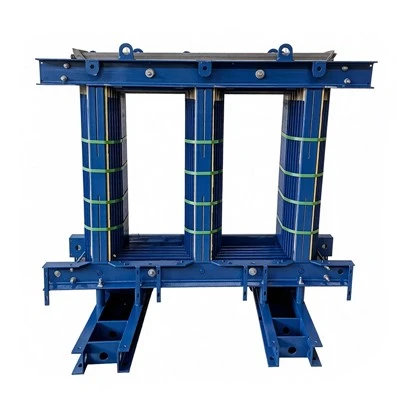
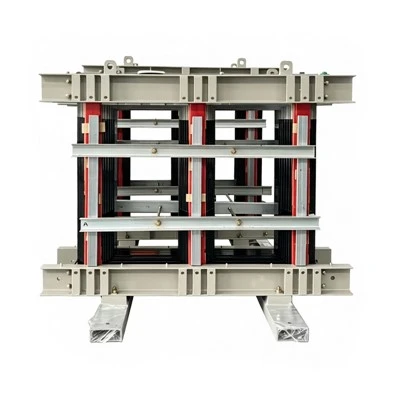
As a Rail Transit Transformer Cores supplier, we are committed to providing high - quality cores that are designed to optimize efficiency. Our Oil - immersed Transformer Core - type Core and Three Phase Three Leg Transformer Core are engineered with advanced materials and innovative designs to meet the demanding requirements of rail transit systems.
If you are involved in rail transit infrastructure projects and are looking to improve the efficiency of your transformer cores, we invite you to contact us for a detailed discussion. Our team of experts can provide customized solutions based on your specific needs and operating conditions. We believe that by working together, we can help you achieve greater energy efficiency, lower operating costs, and a more reliable rail transit system.
References
- Chapman, S. J. (2012). Electric Machinery Fundamentals. McGraw - Hill.
- Grover, F. W. (1946). Inductance Calculations: Working Formulas and Tables. Dover Publications.
- IEEE Standards Association. (2011). IEEE C57.12.00 - 2010, Standard for General Requirements for Liquid - Immersed Distribution, Power, and Regulating Transformers.