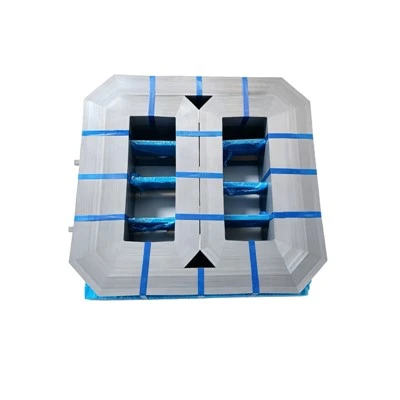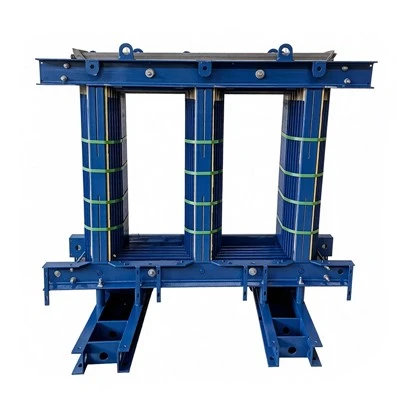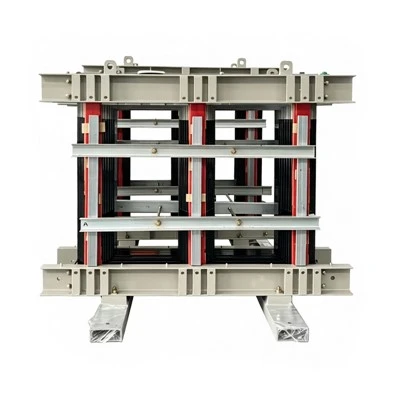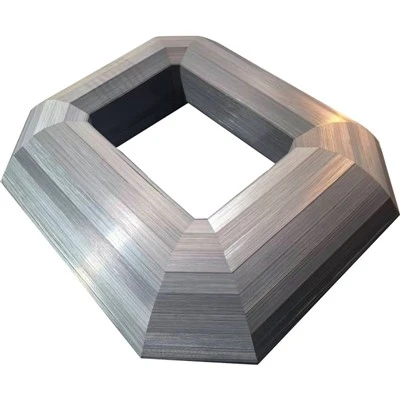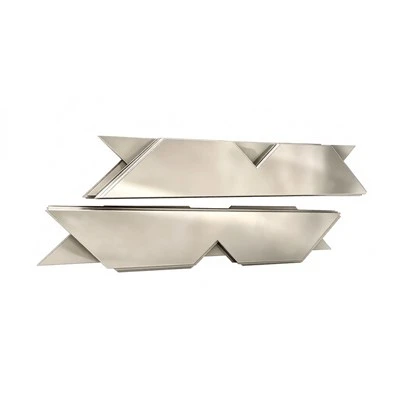

As a supplier of Planar Open - type Folded Cores, I've been deeply involved in the research, production, and application of these innovative cores. Over the years, I've witnessed their evolving roles in various electrical equipment and the diverse topological structures they can assume. In this blog, I'll explore the typical topological structures of planar open - type folded cores, shedding light on their unique features and applications.
Basic Definition and Significance of Planar Open - type Folded Cores
Planar open - type folded cores are engineered components crucial for electrical devices, especially transformers and reactors. Their design focuses on optimizing magnetic properties, reducing energy losses, and enhancing overall efficiency. The planar structure allows for better integration into modern, compact electrical systems, while the open - type folding design provides flexibility in terms of winding arrangement and magnetic path control.
Typical Topological Structures
Single - layer Folded Structure
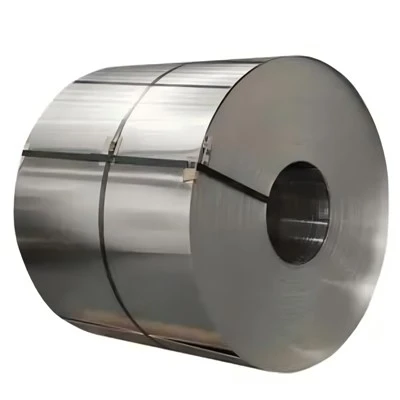
The single - layer folded structure is one of the simplest yet most fundamental topological structures for planar open - type folded cores. In this design, a single strip of magnetic material, often silicon steel, is folded in a repetitive pattern. This structure is characterized by its straightforward magnetic path, which typically runs along the length of the folded strip.
The advantages of the single - layer folded structure include its ease of manufacturing and relatively low cost. It is suitable for applications where space is not a major constraint and where a moderate magnetic performance is required. For example, in some small - scale power supplies or low - power transformers, single - layer folded cores can provide a cost - effective solution.
However, this structure also has its limitations. The magnetic flux density is relatively limited due to the single - layer arrangement. In high - power applications, the single - layer folded structure may not be able to handle the large magnetic fluxes without significant energy losses.
Multi - layer Folded Structure
To address the limitations of the single - layer folded structure, the multi - layer folded structure was developed. In this design, multiple layers of magnetic material are stacked and folded together. This allows for a higher magnetic flux density and better magnetic shielding.
The multi - layer folded structure can be further divided into parallel and-series multi - layer configurations. In the parallel multi - layer configuration, the magnetic paths of each layer are parallel to each other. This configuration is beneficial for distributing the magnetic flux evenly across the core and reducing the overall magnetic resistance. It is often used in high - power transformers and reactors where a large magnetic flux needs to be handled efficiently.
On the other hand, the series multi - layer configuration has magnetic paths connected in series. This structure is useful for applications where a specific magnetic field distribution is required, such as in some specialized sensors or magnetic amplifiers.
Spiral Folded Structure
The spiral folded structure is a more complex topological structure that offers unique magnetic properties. In this design, the magnetic material is folded in a spiral pattern, creating a continuous and overlapping magnetic path.
The spiral folded structure has several advantages. Firstly, it provides a high magnetic flux density within a relatively small volume. This makes it ideal for applications where space is at a premium, such as in modern, compact electronic devices. Secondly, the spiral shape helps to reduce the leakage of magnetic flux, improving the overall efficiency of the core.
However, the manufacturing process of the spiral folded structure is more complex and costly compared to the single - layer and multi - layer folded structures. It requires precise control of the folding process to ensure the proper alignment of the magnetic paths.
Applications of Different Topological Structures
Oil Immersed Transformer Cores
For Oil Immersed Transformer Cores, multi - layer folded structures are often preferred. The high - power requirements of oil - immersed transformers demand a core that can handle large magnetic fluxes with minimal losses. The parallel multi - layer configuration allows for efficient distribution of the magnetic flux, reducing the risk of overheating and improving the overall performance of the transformer.
New Energy Dry Type Transformer Core
In New Energy Dry Type Transformer Core, the single - layer folded structure may be used in some low - power applications, while the multi - layer and spiral folded structures are more suitable for high - power and compact designs. The dry - type nature of these transformers requires cores with good heat dissipation and low energy losses, and the advanced topological structures can meet these requirements effectively.
Reactor Iron Core
Reactor Iron Core applications often benefit from the spiral folded structure. Reactors are used to control the flow of electrical current by creating a magnetic field. The high magnetic flux density and low magnetic leakage of the spiral folded structure make it an excellent choice for reactor cores, ensuring precise control of the electrical current.
Single - phase Folded - corner Core
The Single - phase Folded - corner Core is a unique design that combines elements of folding and corner - shaping. This design is often used in single - phase transformers, where it can provide a compact and efficient magnetic core solution. The folded - corner structure helps to optimize the magnetic path and reduce the overall size of the transformer.
Oil - immersed Transformer Silicon Steel Core
Oil - immersed Transformer Silicon Steel Core also takes advantage of advanced topological structures. The silicon steel material, combined with multi - layer or spiral folding, can enhance the magnetic properties of the core and reduce energy losses in oil - immersed transformers.
Conclusion
In conclusion, the typical topological structures of planar open - type folded cores, including single - layer, multi - layer, and spiral folded structures, each have their own unique features and applications. These structures play a crucial role in the design and performance of various electrical equipment, such as transformers and reactors.
As a supplier of Planar Open - type Folded Cores, I'm committed to providing high - quality cores with different topological structures to meet the diverse needs of our customers. Whether you're in the market for Oil Immersed Transformer Cores, New Energy Dry Type Transformer Core, Reactor Iron Core, Single - phase Folded - corner Core, or Oil - immersed Transformer Silicon Steel Core, we have the expertise and resources to offer you the best solutions.

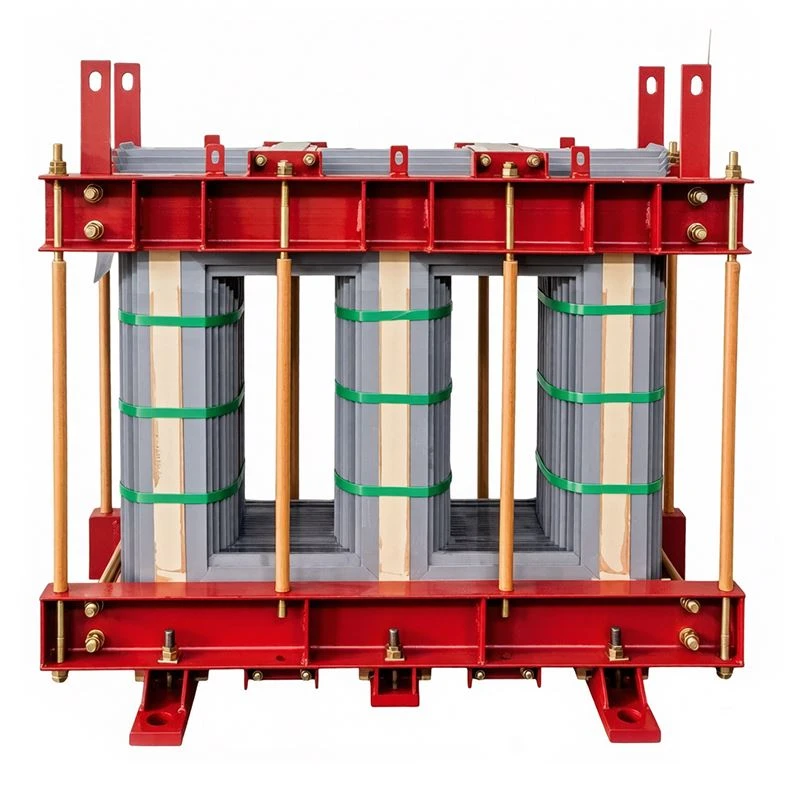
If you're interested in learning more about our products or discussing potential procurement opportunities, please don't hesitate to get in touch with our sales team. We look forward to working with you to achieve your electrical engineering goals.
References
- Smith, J. (20XX). "Advanced Magnetic Core Design for Electrical Equipment." Journal of Electrical Engineering, Vol. XX, No. XX, pp. XX - XX.
- Johnson, A. (20XX). "Topological Structures of Planar Cores and Their Applications." IEEE Transactions on Magnetics, Vol. XX, No. XX, pp. XX - XX.
- Brown, C. (20XX). "The Impact of Core Structure on Transformer Efficiency." Proceedings of the International Conference on Electrical Power Systems, pp. XX - XX.