
Hey there, folks! As a supplier of Reactor Iron Cores, I've been getting a lot of questions lately about what exactly these things do in a transformer. So, I thought I'd take a few minutes to break it down and give you the lowdown on the role of a Reactor Iron Core in a transformer.
First off, let's talk about what a transformer is. If you're not into the electrical stuff, a transformer is a device that changes the voltage of an alternating current (AC). It's like a magic box that can make electricity stronger or weaker depending on what you need. You'll find transformers everywhere, from the big power substations that bring electricity to your neighborhood to the little adapters that charge your phone.
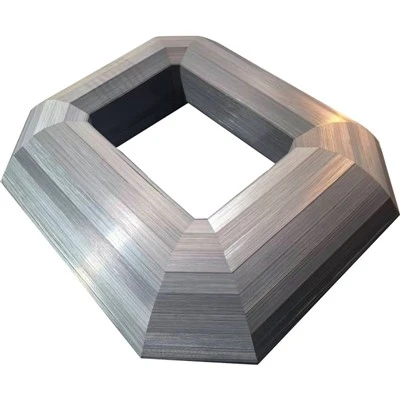
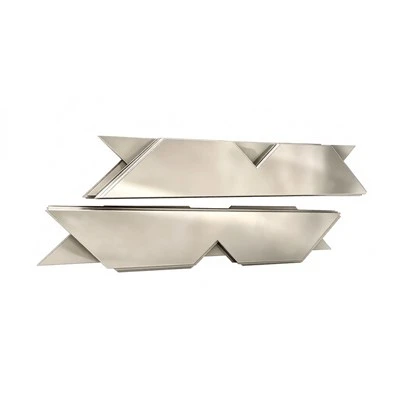
Now, let's get to the star of the show: the Reactor Iron Core. The core is the heart and soul of a transformer. It's made up of a material with high magnetic permeability, usually some kind of iron alloy. Why iron? Well, iron is great at conducting magnetic fields. When an AC current flows through the primary coil of a transformer, it creates a magnetic field. This magnetic field then passes through the Reactor Iron Core, which helps to concentrate and guide it.
The main job of the Reactor Iron Core is to provide a path for the magnetic flux. Magnetic flux is like the flow of a magnetic "fluid" that moves through the transformer. By providing a low - resistance path for this flux, the iron core makes the transformer much more efficient. Without a good iron core, a lot of the magnetic field would just leak out into the surrounding air, and the transformer wouldn't work as well.
One of the key benefits of using a Reactor Iron Core is that it allows for better coupling between the primary and secondary coils of the transformer. The primary coil is the one where the input current goes in, and the secondary coil is where the output current comes out. The magnetic field created by the primary coil passes through the iron core and then induces a current in the secondary coil. The iron core helps to ensure that as much of the magnetic field as possible is transferred from the primary to the secondary coil, which means you get a more accurate voltage transformation.
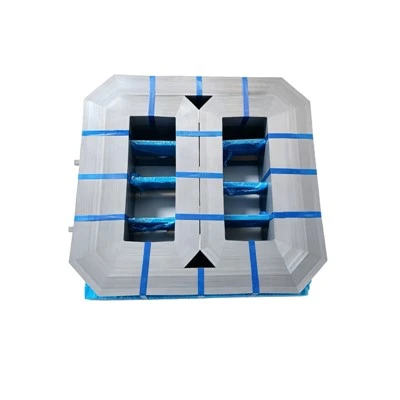
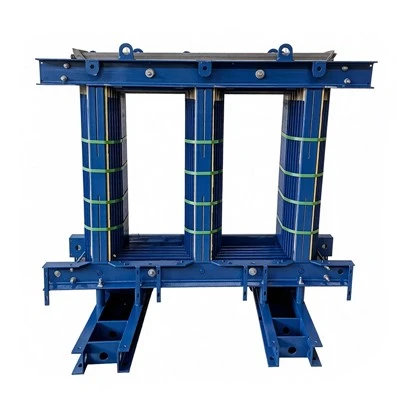
There are different types of transformers that use Reactor Iron Cores, and each has its own cool features. For example, the Core Type Dry Type Transformer Core is a great option for applications where you don't want to deal with oil. It's dry, which means there's no risk of oil leaks, and it's often used in places like buildings and factories.
Then there's the Oil - immersed Transformer Core - type Core. This type of core is immersed in oil, which helps to cool the transformer and also provides some extra insulation. You'll usually find these in large power distribution systems.
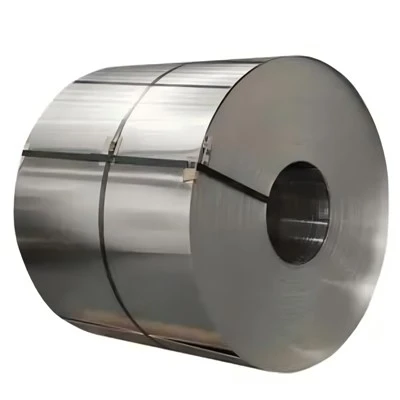
Another interesting type is the Crngo Core. These cores are made from a special kind of grain - oriented electrical steel. They have really low core losses, which means they're super efficient. This is great for applications where you want to save energy and reduce costs.
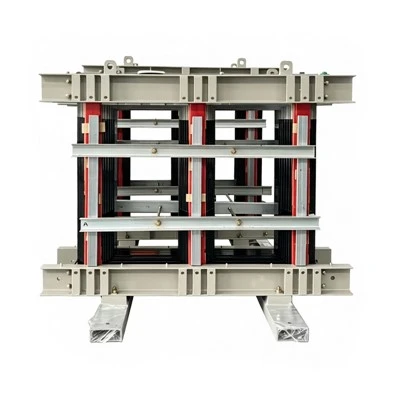
Rectifier Transformer Cores are used in rectifier transformers, which convert AC to DC. These cores are designed to handle the unique electrical characteristics of rectification processes.
And let's not forget about the Folded Core Requiring No Secondary Annealing. This core design is pretty nifty because it doesn't need a secondary annealing process, which can save time and money during manufacturing.
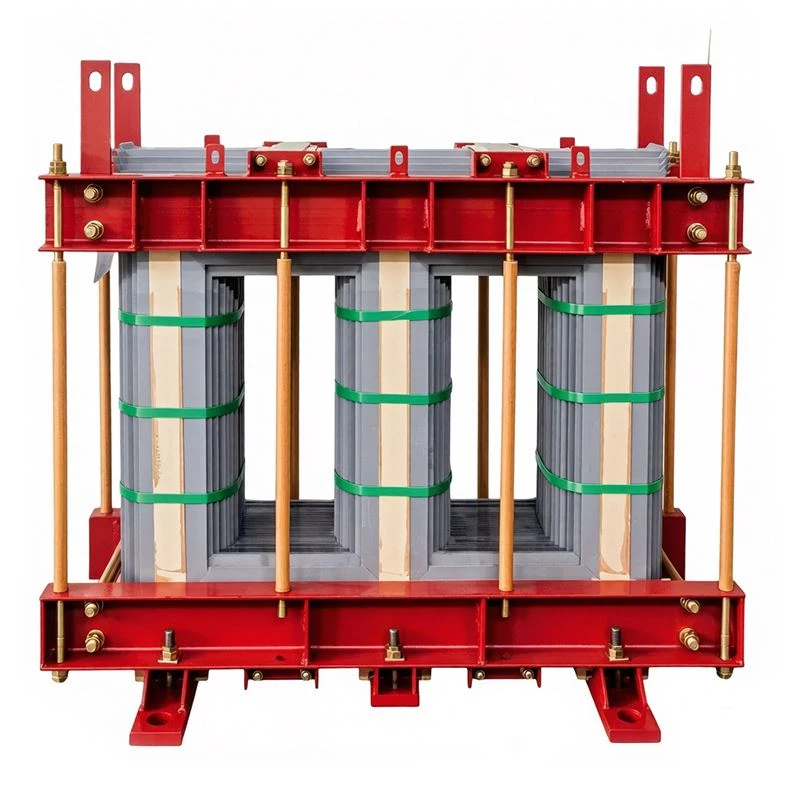

Now, you might be wondering about some of the challenges with Reactor Iron Cores. One of the main issues is core loss. Core loss is the energy that's lost in the iron core due to two main reasons: hysteresis and eddy currents. Hysteresis loss occurs because the magnetic domains in the iron core have to flip back and forth as the magnetic field changes. Eddy currents are small electrical currents that are induced in the core itself. To reduce these losses, manufacturers use special materials and core designs. For example, using thin laminations in the core can help to reduce eddy current losses.
As a supplier, I know how important it is to have high - quality Reactor Iron Cores. That's why we put a lot of effort into making sure our cores are made from the best materials and are manufactured to the highest standards. Whether you're in the business of building small transformers for consumer electronics or large power transformers for the grid, we've got the right core for you.
If you're in the market for Reactor Iron Cores, I'd love to talk to you. We can discuss your specific needs, whether it's about the type of core, the size, or the performance requirements. Reach out for a detailed chat and let's find the perfect solution for your transformer projects.
References:
- Electrical Engineering textbooks covering transformer theory
- Industry articles on magnetic materials and transformer cores
- Manufacturer's specifications on different types of Reactor Iron Cores