
How to Optimize the Design of a Single - phase Folded - corner Core
As a supplier of single - phase folded - corner cores, I understand the significance of optimizing their design. These cores play a crucial role in various electrical applications, especially in transformers. In this blog, I will share some key strategies and considerations for optimizing the design of a single - phase folded - corner core.
Understanding the Basics of Single - phase Folded - corner Cores
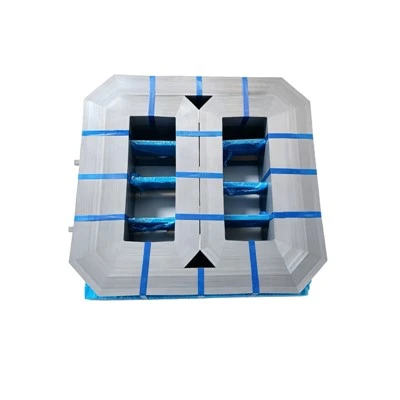
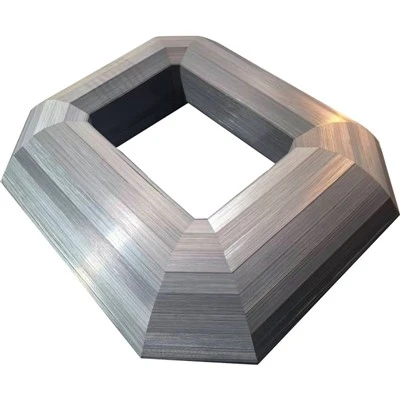
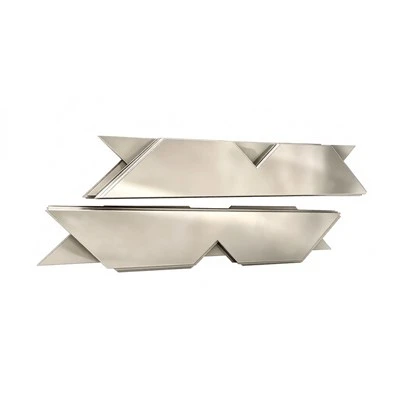
Before delving into the optimization process, it's essential to have a clear understanding of what single - phase folded - corner cores are. A single - phase folded - corner core is a type of magnetic core used in single - phase transformers. Its unique folded - corner structure helps in reducing magnetic flux leakage and improving the overall efficiency of the transformer.
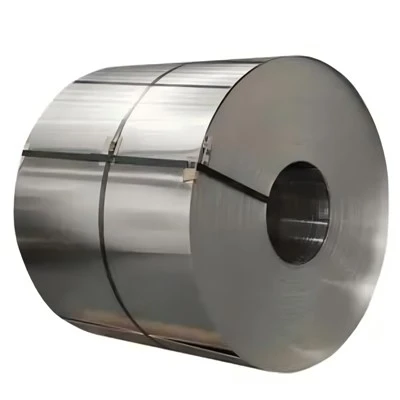
The primary material used for these cores is usually grain - oriented electrical steel, such as CRGO (Cold - Rolled Grain - Oriented) steel. CRGO steel has excellent magnetic properties, including low core loss and high magnetic permeability, which are essential for the efficient operation of transformers. You can find more information about Transformer Crgo Core on our website.
Key Factors in Design Optimization
Core Material Selection
The choice of core material is one of the most critical factors in optimizing the design of a single - phase folded - corner core. As mentioned earlier, CRGO steel is a popular choice due to its superior magnetic properties. However, the quality of the CRGO steel can vary significantly between different suppliers.
When selecting core material, it's important to consider factors such as core loss, magnetic permeability, and thickness. Lower core loss means less energy is wasted as heat during the operation of the transformer, leading to higher efficiency. Higher magnetic permeability allows for better magnetic flux conduction, which can improve the overall performance of the core. Additionally, the thickness of the steel laminations can affect the eddy current losses. Thinner laminations generally result in lower eddy current losses, but they may also increase the manufacturing cost.
Core Geometry Design
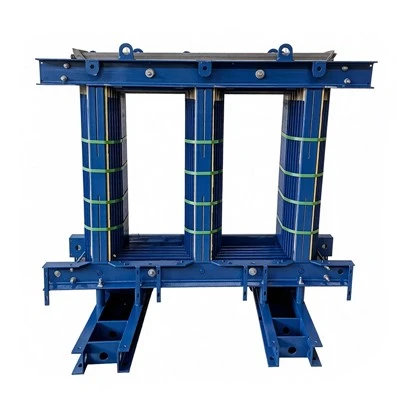
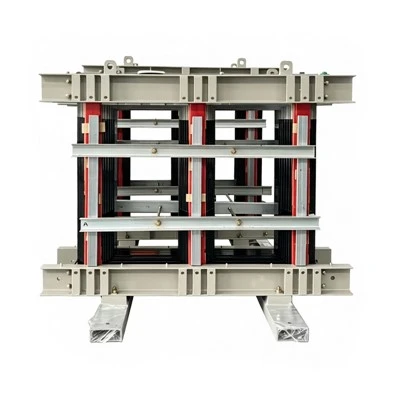
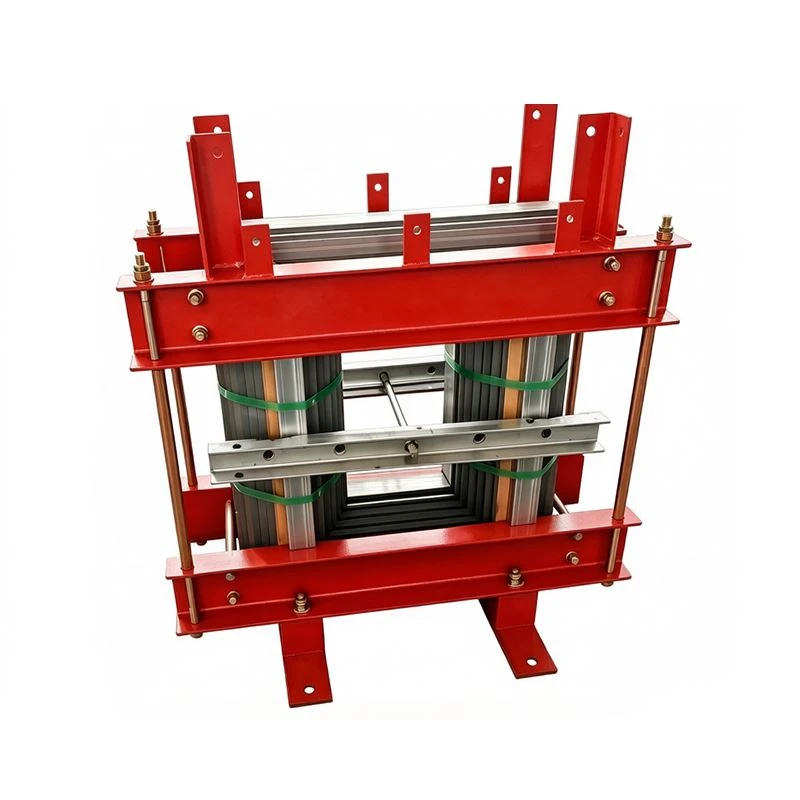
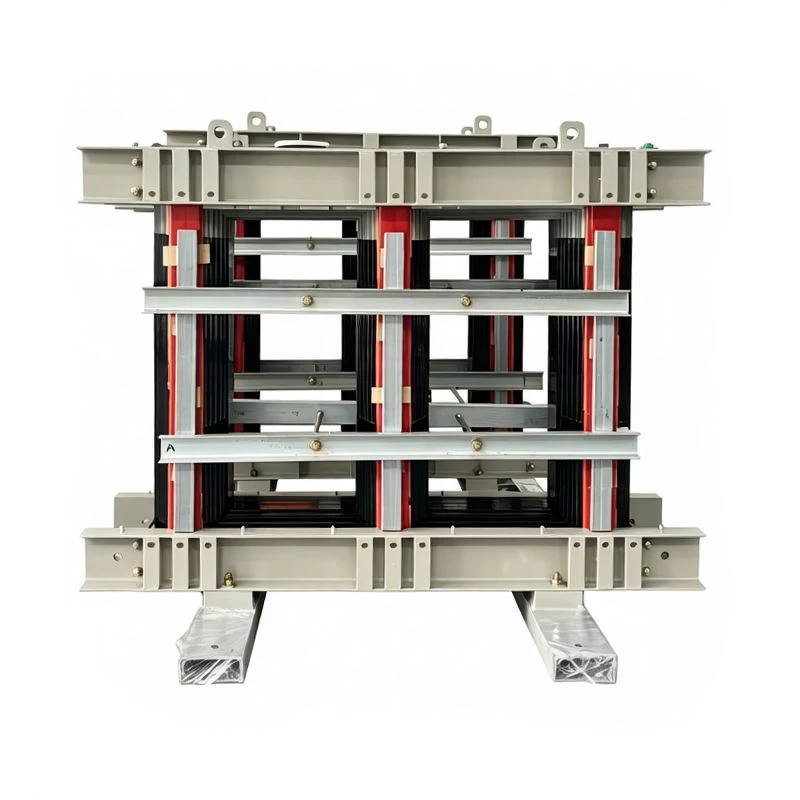
The geometry of the single - phase folded - corner core has a significant impact on its performance. The main geometric parameters to consider include the cross - sectional area of the core limbs, the window area, and the shape of the folded corners.
The cross - sectional area of the Core Limb determines the magnetic flux - carrying capacity of the core. A larger cross - sectional area can handle higher magnetic fluxes without saturating, which is important for high - power transformers. However, increasing the cross - sectional area also increases the size and weight of the core, as well as the cost of the core material.
The window area is the space inside the core where the transformer windings are placed. A larger window area provides more space for the windings, which can reduce the winding resistance and improve the efficiency of the transformer. However, a larger window area also means a larger overall size of the core.
The shape of the folded corners is another important aspect of the core geometry. Well - designed folded corners can reduce magnetic flux leakage and improve the magnetic coupling between the core limbs. This can lead to lower core losses and higher efficiency.
Winding Design
The winding design of the transformer is closely related to the design of the single - phase folded - corner core. The number of turns, the wire gauge, and the winding arrangement all affect the performance of the transformer.
The number of turns in the primary and secondary windings determines the voltage transformation ratio of the transformer. A proper selection of the number of turns is essential to ensure that the transformer can provide the desired output voltage.
The wire gauge of the windings affects the winding resistance. Thicker wires have lower resistance, which can reduce the copper losses in the windings. However, thicker wires also take up more space in the window area of the core, which may limit the number of turns that can be wound.
The winding arrangement, such as the way the primary and secondary windings are placed on the core limbs, can also affect the magnetic coupling and the performance of the transformer. A well - designed winding arrangement can minimize the leakage inductance and improve the efficiency of the transformer.
Advanced Optimization Techniques
Finite Element Analysis (FEA)
Finite Element Analysis (FEA) is a powerful tool for optimizing the design of single - phase folded - corner cores. FEA allows engineers to simulate the magnetic field distribution, the core losses, and the structural stresses in the core under different operating conditions.
By using FEA, engineers can identify the areas of the core with high magnetic flux density, high eddy current losses, or high mechanical stresses. They can then modify the core design, such as changing the core geometry or the material properties, to reduce these problems and improve the overall performance of the core.
Optimization Algorithms
In addition to FEA, optimization algorithms can be used to find the optimal design of the single - phase folded - corner core. These algorithms can search through a large number of possible design solutions and find the one that meets the specified performance requirements while minimizing the cost or other design constraints.
For example, genetic algorithms can be used to optimize the core geometry, the winding design, and the material selection simultaneously. These algorithms use principles inspired by natural evolution to search for the best design solution.
Applications and Benefits of Optimized Single - phase Folded - corner Cores
Optimized single - phase folded - corner cores have a wide range of applications in the electrical industry. They are commonly used in single - phase transformers for residential, commercial, and industrial applications.
The benefits of using optimized single - phase folded - corner cores include higher efficiency, lower core losses, reduced size and weight, and better performance. Higher efficiency means less energy is wasted during the operation of the transformer, which can lead to significant energy savings over the long term. Lower core losses also result in less heat generation, which can improve the reliability and lifespan of the transformer.
Reduced size and weight of the core make the transformer more compact and easier to install. This is especially important in applications where space is limited, such as in urban areas or in small electrical cabinets.
Better performance of the transformer, such as improved voltage regulation and lower harmonic distortion, can provide a more stable and reliable power supply to the connected electrical equipment.
Conclusion
Optimizing the design of a single - phase folded - corner core is a complex but rewarding process. By carefully considering factors such as core material selection, core geometry design, winding design, and using advanced optimization techniques like FEA and optimization algorithms, we can achieve significant improvements in the performance, efficiency, and cost - effectiveness of single - phase transformers.
If you are interested in our single - phase folded - corner cores or have any questions about their design and optimization, please feel free to contact us for procurement and further discussions. We are committed to providing high - quality cores that meet your specific needs.
We also offer a variety of other core products, such as New Energy Dry Type Transformer Core, Core Type Transformer Core, and Single - phase Transformer Core. You can visit our website to learn more about these products.
References
- Grover, F. W. (1946). Inductance Calculations: Working Formulas and Tables. Dover Publications.
- Stanley, G. (2012). Transformer Engineering: Design, Technology, and Diagnostics. CRC Press.
- Zeng, R., & Shen, Y. (2018). Design and Optimization of a Single - Phase Transformer with a Folded - Corner Core. IEEE Transactions on Power Delivery.