
Hey there! As a supplier of Grain Oriented Silicon Steel Coil, I'm super stoked to take you on a journey through the manufacturing process of this amazing product. Let's dive right in!
The Basics of Grain Oriented Silicon Steel Coil
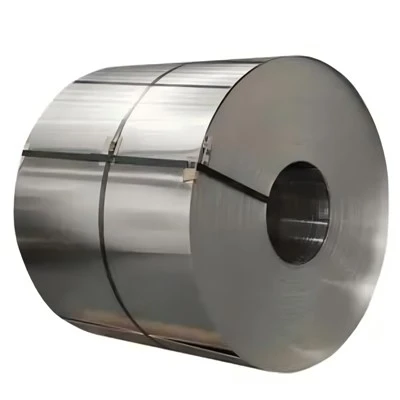
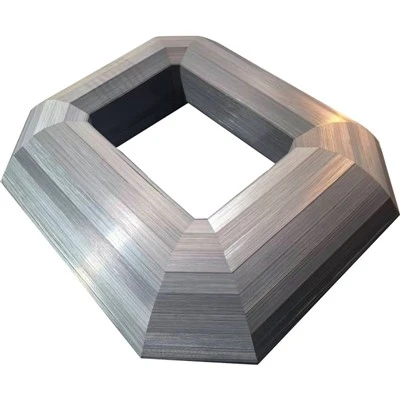
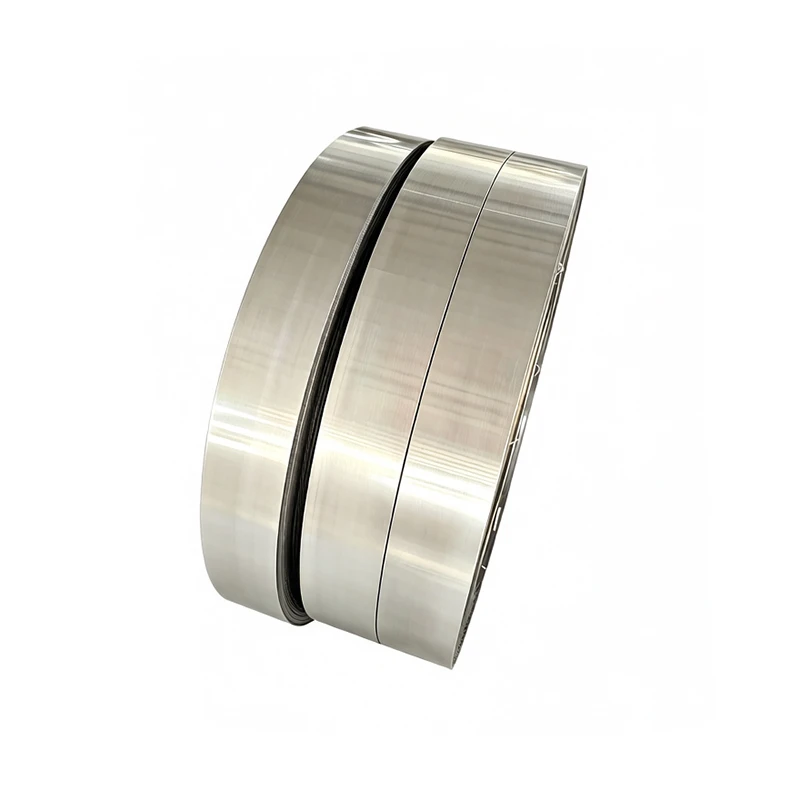
First off, you might be wondering what exactly Grain Oriented Silicon Steel Coil is. Well, it's a special type of electrical steel that's designed with a specific grain orientation. This orientation gives it excellent magnetic properties, making it ideal for use in transformers, generators, and other electrical equipment.
Raw Materials
The manufacturing process starts with the selection of high - quality raw materials. We use a carefully balanced mix of iron and silicon. The silicon content usually ranges from about 2.5% to 4.5%. The reason we add silicon is to increase the electrical resistivity of the steel. This helps in reducing the eddy current losses in electrical applications. Along with iron and silicon, small amounts of other elements like manganese, sulfur, and aluminum are also added to achieve the desired mechanical and magnetic properties.
Melting and Casting
Once we've got our raw materials sorted, it's time to melt them down. We use electric arc furnaces or basic oxygen furnaces for this purpose. These furnaces can reach extremely high temperatures, around 1600°C or more, which is enough to completely melt the raw materials and turn them into a homogeneous liquid.
After melting, the molten steel is cast into slabs. Continuous casting is the most commonly used method here. In continuous casting, the molten steel is poured into a water - cooled mold, where it starts to solidify. As the solidifying steel moves out of the mold, it is further cooled and cut into slabs of the desired length. These slabs will be the starting point for the next stage of the manufacturing process.
Hot Rolling
The slabs then go through hot rolling. Hot rolling is a crucial step as it helps in reducing the thickness of the slabs and also gives them a more uniform structure. The slabs are heated to a high temperature, typically between 1100°C and 1200°C, and then passed through a series of rolling mills. These mills have large rollers that apply pressure to the slabs, gradually reducing their thickness.
During hot rolling, the grains in the steel start to align in a certain direction. This initial grain alignment is the first step towards achieving the desired grain orientation in the final product. The hot - rolled coils are then cooled down, usually by air or water cooling, to room temperature.
Annealing and Pickling
After hot rolling, the coils go through annealing. Annealing is a heat - treatment process where the coils are heated to a specific temperature and then slowly cooled. This helps in relieving the internal stresses that were generated during hot rolling and also improves the grain structure.
Once the annealing is done, the coils are pickled. Pickling is the process of removing the oxide layer (scale) that forms on the surface of the steel during hot rolling and annealing. We use a dilute acid solution, usually hydrochloric acid or sulfuric acid, for pickling. This makes the surface of the coils clean and ready for the next stage.
Cold Rolling
Cold rolling is the next big step. In cold rolling, the pickled coils are passed through a series of cold - rolling mills at room temperature. This further reduces the thickness of the coils and also refines the grain structure. Cold rolling is done in multiple passes, with each pass reducing the thickness by a small amount.
One of the key things in cold rolling of Grain Oriented Silicon Steel Coil is to control the rolling direction. This direction is carefully chosen to promote the formation of the desired grain orientation. The more precise the rolling direction, the better the magnetic properties of the final product.
Secondary Annealing
After cold rolling, the coils undergo secondary annealing. This is a very important step as it is during this process that the final grain orientation is achieved. The secondary annealing is a long - term heat - treatment at a high temperature, often around 1200°C.
During this process, a special atmosphere is maintained in the annealing furnace. The atmosphere helps in promoting the growth of the desired grains and also in purifying the steel. The secondary annealing can take several hours or even days, depending on the specific requirements of the product.
Insulation Coating
Once the secondary annealing is completed, the coils are coated with an insulation layer. This insulation coating serves two main purposes. Firstly, it helps in reducing the eddy current losses between adjacent laminations in electrical equipment. Secondly, it protects the surface of the steel from corrosion.
We use different types of insulation coatings, such as organic or inorganic coatings, depending on the application requirements. The coating is applied using various methods, like roller coating or spray coating.
Final Inspection and Packaging
Before the Grain Oriented Silicon Steel Coil is ready to be shipped to our customers, it goes through a rigorous final inspection. We check the thickness, width, surface quality, magnetic properties, and other parameters of the coils to ensure they meet our high - quality standards.
After passing the inspection, the coils are carefully packaged. We use special packaging materials to protect the coils during transportation and storage. This helps in maintaining the quality of the product until it reaches our customers' hands.
Comparison with Other Products
Now, let's talk a bit about how Grain Oriented Silicon Steel Coil compares with some other related products. For example, Non Oriented Electrical Steel Sheet. Unlike Grain Oriented Silicon Steel Coil, non - oriented electrical steel sheet has its grains randomly oriented. This makes it more suitable for applications where the magnetic field changes direction frequently, such as in electric motors.
On the other hand, Hi - b Crgo Coil is a high - quality Grain Oriented Silicon Steel Coil. It has even better magnetic properties, especially lower core losses, compared to standard Grain Oriented Silicon Steel Coil. This makes it a preferred choice for high - efficiency transformers.
Cold Rolled Electrical Steel is a broader category that includes both grain - oriented and non - oriented types. Cold rolling is a common process used in its production, which helps in achieving better surface finish and dimensional accuracy.
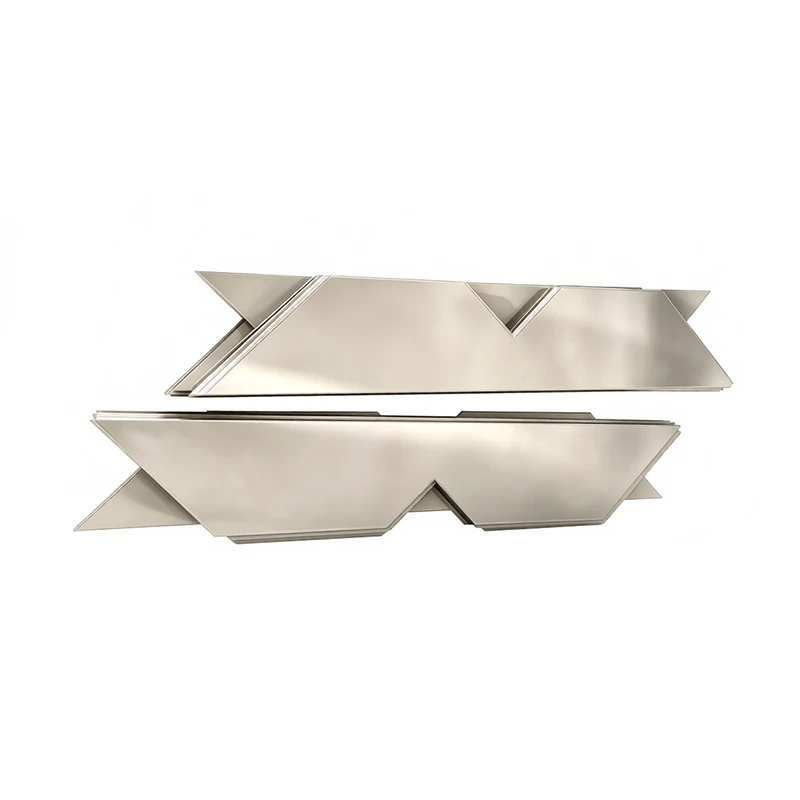
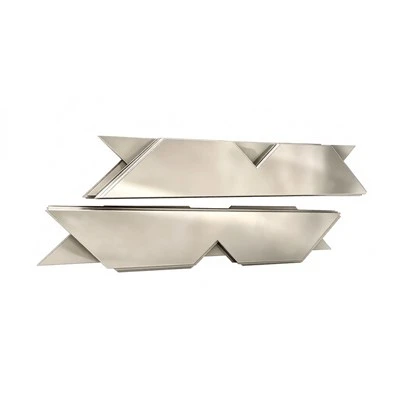
And if you're looking for a sheet form of the product, we also offer Grain - oriented Silicon Steel Sheet. It has similar properties to the coil but comes in a flat sheet form, which can be more convenient for some applications.
Why Choose Our Grain Oriented Silicon Steel Coil
As a supplier, we take pride in offering top - notch Grain Oriented Silicon Steel Coil products. We have a state - of - the - art manufacturing facility that uses the latest technologies and strict quality control measures. This ensures that our products have excellent magnetic properties, low core losses, and high - quality surface finish.
Whether you're in the business of manufacturing transformers, generators, or other electrical equipment, our Grain Oriented Silicon Steel Coil can meet your needs. And we're always ready to provide personalized solutions based on your specific requirements.
Time to Connect
If you're interested in purchasing Grain Oriented Silicon Steel Coil or just want to learn more about it, don't hesitate to get in touch. We're here to answer all your questions and help you find the best solution for your business.
References
- "Electrical Steels: Fundamentals and Applications" by Pierre Enkelmann
- "Handbook of Electrical and Magnetic Steel" by various authors