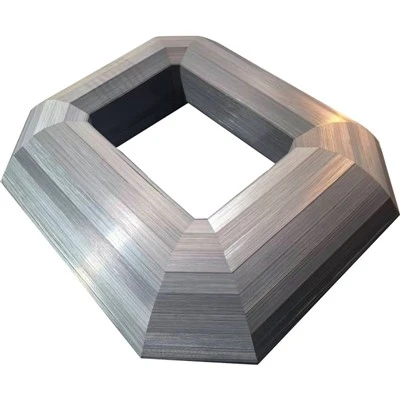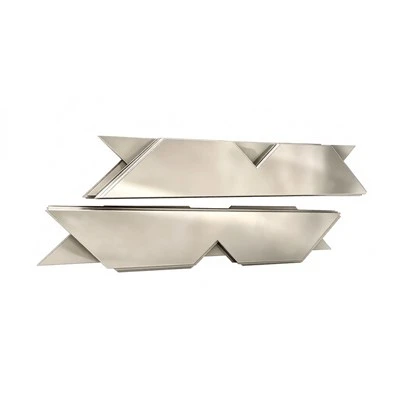

When it comes to the production and supply of rectifier transformer cores, understanding how to measure their self - inductance is crucial. As a reliable rectifier transformer cores supplier, I have witnessed the importance of accurate self - inductance measurement in various applications, from ensuring the proper functioning of electrical equipment to maintaining high - quality standards in the industry.
The Significance of Self - Inductance in Rectifier Transformer Cores
Self - inductance is a fundamental electrical property of an inductor, such as a rectifier transformer core. It represents the ability of the core to generate an electromotive force (emf) in response to a change in the current flowing through it. In rectifier transformers, self - inductance affects the magnetic flux, energy storage, and the overall performance of the transformer.

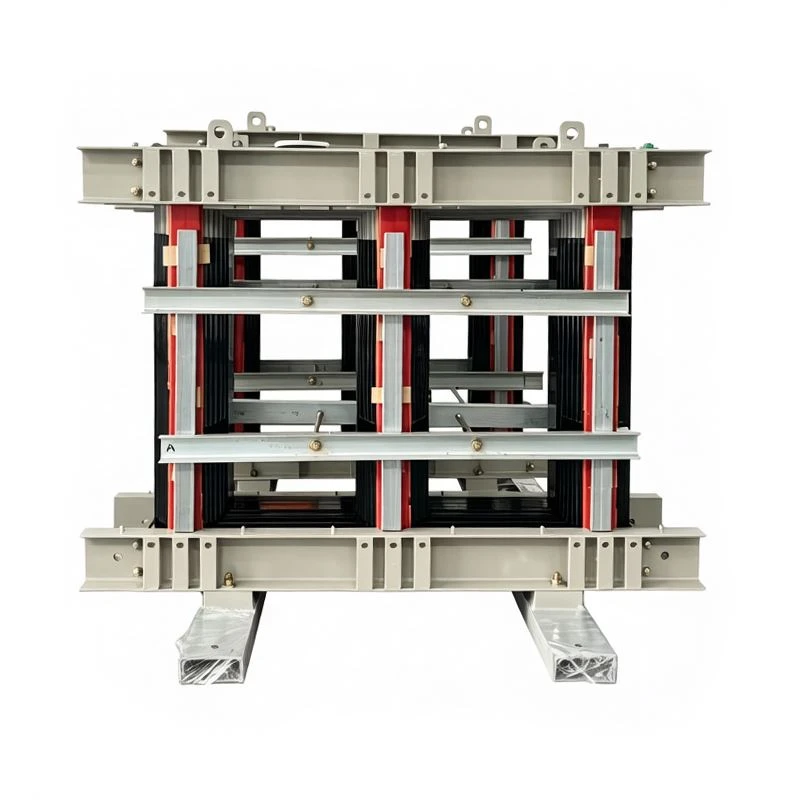
Accurate measurement of self - inductance is essential for several reasons. Firstly, it helps in the design and optimization of rectifier transformers. By knowing the self - inductance value, engineers can select the appropriate core materials and dimensions to meet the specific requirements of the application. Secondly, it ensures the safety and reliability of the transformer. Incorrect self - inductance values can lead to issues such as overheating, voltage spikes, and malfunctioning of the electrical system. Lastly, it is a key parameter for quality control. As a supplier, we need to ensure that each rectifier transformer core we provide meets the specified self - inductance criteria.
Methods for Measuring Self - Inductance
Bridge Methods
One of the most common methods for measuring self - inductance is the bridge method. There are several types of bridges available, such as the Maxwell - Wien bridge, the Hay bridge, and the Anderson bridge.
The Maxwell - Wien bridge is suitable for measuring medium - range inductances. It works on the principle of balancing the unknown inductance against known resistors and capacitors. When the bridge is in balance, the self - inductance of the rectifier transformer core can be calculated using the known component values and the bridge equations.
The Hay bridge is more accurate for measuring high - Q inductors. It is similar to the Maxwell - Wien bridge but has some modifications to improve the accuracy for high - quality factor inductors. The Anderson bridge is also used for measuring inductance, especially when high precision is required. It is based on the principle of comparing the unknown inductance with a standard inductance.
Oscillator - based Methods
Oscillator - based methods are another popular approach for measuring self - inductance. In these methods, the rectifier transformer core is incorporated into an oscillator circuit. The frequency of the oscillator is related to the self - inductance of the core. By measuring the oscillator frequency and using the appropriate formula, the self - inductance can be determined.
One advantage of oscillator - based methods is their simplicity and relatively low cost. They can be easily implemented in a laboratory or production environment. However, the accuracy of these methods may be affected by factors such as temperature, component tolerances, and stray capacitances.
Time - Domain Methods
Time - domain methods involve applying a step or a pulse of current to the rectifier transformer core and measuring the resulting voltage across it. The self - inductance can be calculated from the relationship between the current change and the induced voltage.
For example, if a step current is applied to the core, the induced voltage is given by (V = L\frac{di}{dt}), where (V) is the induced voltage, (L) is the self - inductance, and (\frac{di}{dt}) is the rate of change of current. By measuring (V) and (\frac{di}{dt}), the self - inductance (L) can be determined.
Time - domain methods are useful for measuring the dynamic self - inductance of the core, which is important in applications where the current is changing rapidly.
Factors Affecting Self - Inductance Measurement
Several factors can affect the accuracy of self - inductance measurement for rectifier transformer cores.
Core Material
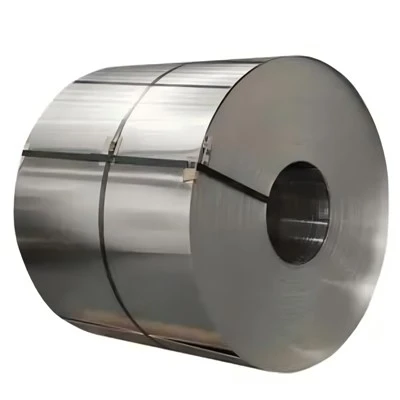
The type of core material used in the rectifier transformer has a significant impact on the self - inductance. Different core materials, such as silicon steel, have different magnetic properties, such as permeability. The permeability of the core material affects the magnetic flux density and, consequently, the self - inductance. For high - quality Silicon Steel Core for Dry Type Transformer, the self - inductance may be more stable and predictable compared to other materials.
Core Geometry
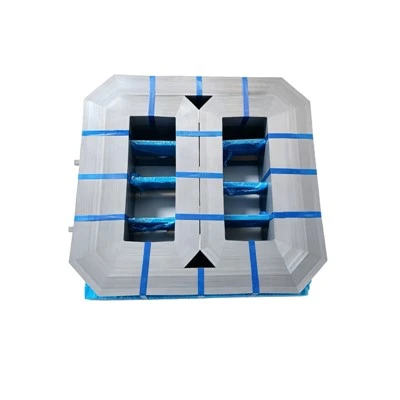
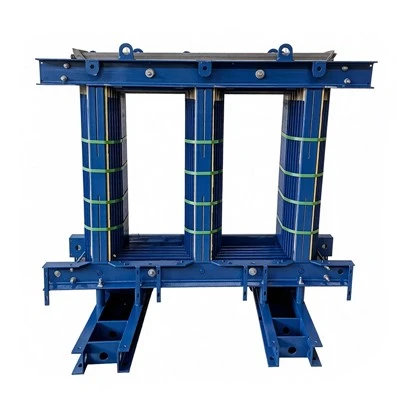
The geometry of the rectifier transformer core, including its cross - sectional area, length, and number of turns, also affects the self - inductance. A larger cross - sectional area or a greater number of turns generally results in a higher self - inductance. The shape of the core can also influence the magnetic field distribution and, therefore, the self - inductance. For example, Core Type Dry Type Transformer Core has a specific geometry that affects its self - inductance characteristics.
Temperature
Temperature can have a significant effect on the magnetic properties of the core material and, thus, on the self - inductance. As the temperature increases, the permeability of the core material may change, leading to a change in the self - inductance. It is important to take temperature into account during the self - inductance measurement and, if necessary, compensate for the temperature effect.
Applications in Different Types of Transformer Cores
Our company supplies a wide range of transformer cores, and self - inductance measurement is relevant for each type.
Electric Furnace Transformer Cores
Electric Furnace Transformer Cores are used in electric furnaces for melting metals. These cores need to handle high currents and have high - power requirements. Accurate self - inductance measurement is essential to ensure the proper operation of the electric furnace and to prevent overheating and other electrical problems.
Reactor Iron Cores
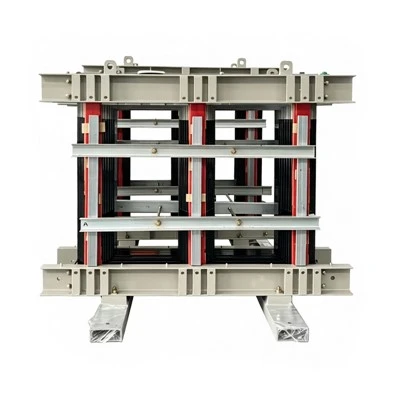
Reactor Iron Core are used in electrical power systems for various purposes, such as power factor correction and voltage regulation. The self - inductance of these cores affects their performance in terms of energy storage and current limiting. Measuring the self - inductance accurately helps in designing reactors that meet the specific requirements of the power system.
Crgo Lamination Cores
Crgo Lamination Core are made of cold - rolled grain - oriented steel laminations. These cores have excellent magnetic properties and are widely used in transformers. Precise self - inductance measurement is necessary to ensure the efficiency and reliability of transformers using Crgo lamination cores.
Quality Control and Assurance
As a supplier of rectifier transformer cores, we have a strict quality control system in place. Self - inductance measurement is an integral part of our quality control process. Each core undergoes multiple self - inductance measurements during the production process to ensure that it meets the required specifications.
We use high - precision measurement equipment and follow international standards and best practices for self - inductance measurement. Our technicians are well - trained in the measurement techniques and are able to accurately measure the self - inductance of the cores. Any core that does not meet the self - inductance criteria is either re - worked or rejected.
Conclusion
Measuring the self - inductance of rectifier transformer cores is a critical process that ensures the proper design, operation, and quality of these cores. As a supplier, we understand the importance of accurate self - inductance measurement and have the expertise and equipment to perform these measurements.
If you are in need of high - quality rectifier transformer cores or have any questions about self - inductance measurement, please feel free to contact us for procurement and further discussions. We are committed to providing you with the best products and services in the industry.
References
- Grover, F. W. (1946). Inductance Calculations: Working Formulas and Tables. Dover Publications.
- Hayt, W. H., & Kemmerly, J. E. (2001). Engineering Circuit Analysis. McGraw - Hill.
- Chapman, S. J. (2012). Electric Machinery Fundamentals. McGraw - Hill.