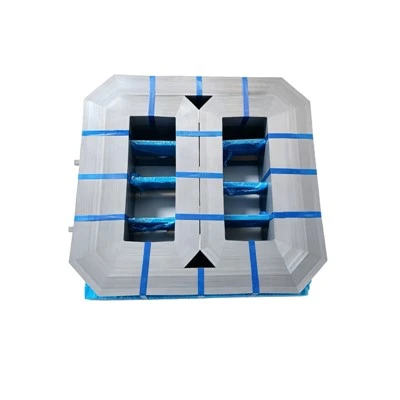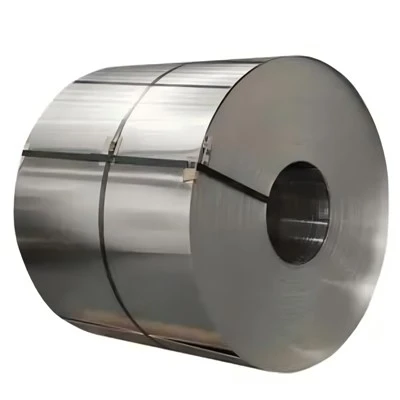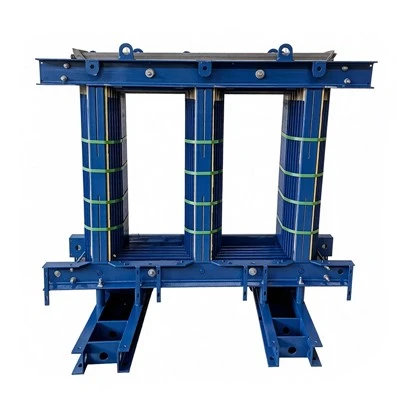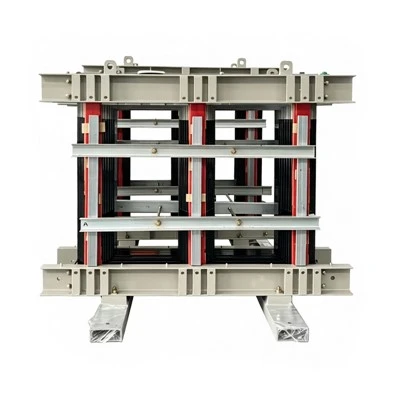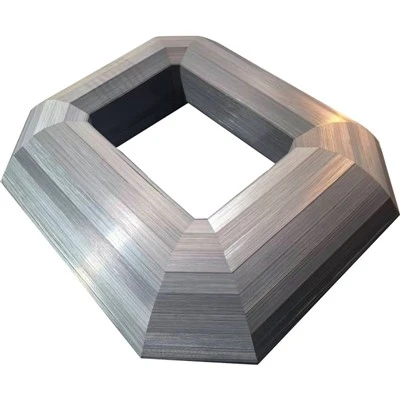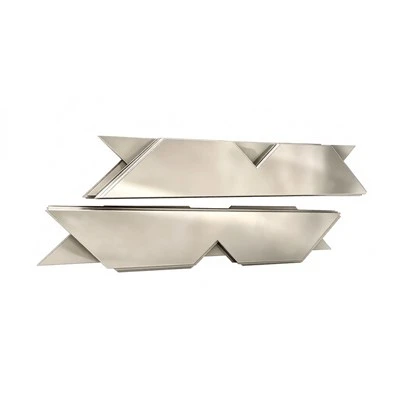

Yo, folks! As a supplier of Core Type Dry Type Transformer Core, I often get asked about all sorts of technical stuff related to our products. One question that pops up a lot is, "What is the hysteresis loss in a Core Type Dry Type Transformer Core?" Well, let's dig into it and break it down in a way that's easy to understand.
First off, let's talk about what a Core Type Dry Type Transformer Core is. It's a key component in transformers, which are used to transfer electrical energy between circuits. The core is made of magnetic materials, usually some kind of iron alloy. The "core type" means that the windings of the transformer are wrapped around the core, and "dry type" indicates that it doesn't use a liquid coolant like oil.
Now, onto hysteresis loss. In simple terms, hysteresis loss is the energy that gets wasted in the form of heat when the magnetic field in the transformer core changes. You see, when an alternating current (AC) passes through the windings of the transformer, it creates a changing magnetic field in the core. The magnetic domains in the core material align themselves with this changing magnetic field. But here's the thing: these magnetic domains don't just flip back and forth instantly and without any resistance.
Imagine you have a bunch of tiny magnets in the core. When the magnetic field changes direction, these little magnets have to rotate to align with the new field. This rotation isn't smooth; there's some friction involved at a microscopic level. This friction is what causes the energy loss, and we call it hysteresis loss.
The hysteresis loss depends on a few factors. One of the main factors is the type of material used in the core. Different magnetic materials have different levels of "hysteresis loop." The hysteresis loop is a graph that shows the relationship between the magnetic field strength and the magnetic flux density in the material. A smaller hysteresis loop means less energy loss, so we want to use materials with narrow hysteresis loops in our transformers.
Another factor is the frequency of the alternating current. The higher the frequency, the more often the magnetic field changes direction, and the more energy is lost due to hysteresis. That's why when we're dealing with high - frequency applications, we need to be extra careful about choosing the right core material to minimize hysteresis loss.
Now, you might be wondering why hysteresis loss is such a big deal. Well, for starters, it's a waste of energy. In an era where energy efficiency is super important, any energy loss means higher costs for the end - user. Also, the heat generated by hysteresis loss can cause problems. If the temperature of the transformer core gets too high, it can degrade the insulation of the windings, which can lead to premature failure of the transformer.
As a supplier, we're constantly looking for ways to reduce hysteresis loss in our Core Type Dry Type Transformer Core. We're always on the lookout for new and improved magnetic materials that have lower hysteresis losses. We also optimize the design of our cores to make sure that the magnetic field distribution is as efficient as possible.
In addition to Core Type Dry Type Transformer Cores, we also offer other types of transformer cores, such as Traction Transformer Core, Rail Transit Transformer Cores, Single - phase Folded - corner Core, and Rectifier Transformer Cores. These different types of cores are designed for specific applications, but they all face similar issues with hysteresis loss.
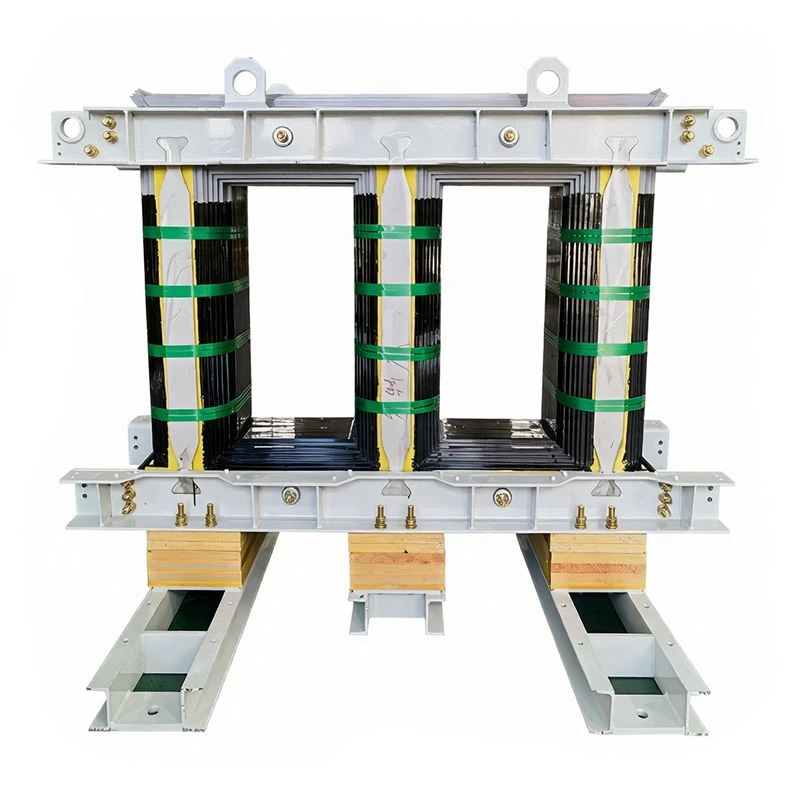
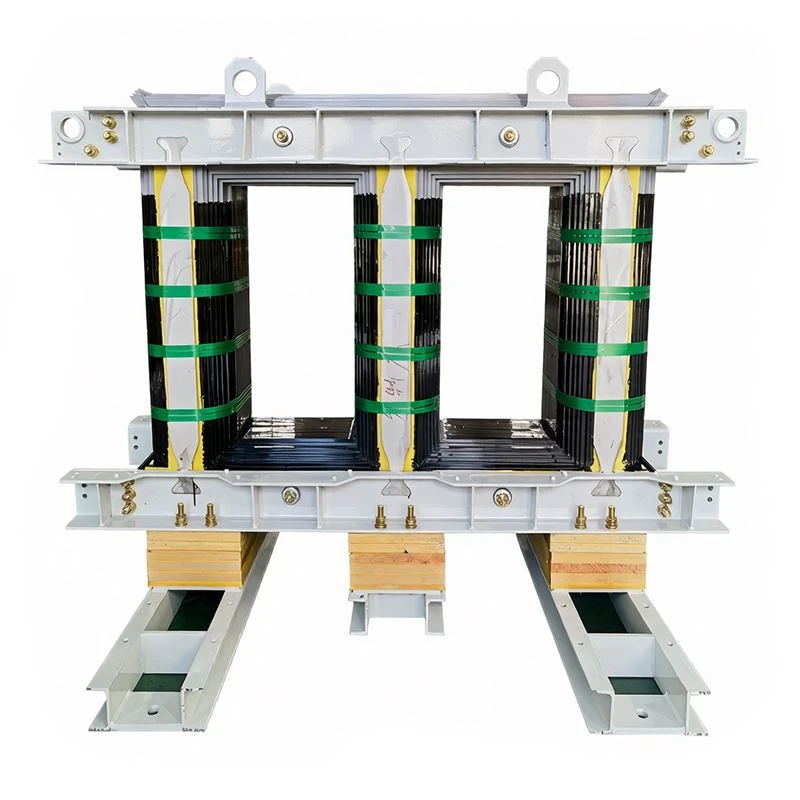
For example, in traction transformers used in trains, the frequency of the electrical supply can vary, and the transformer has to operate under different load conditions. This makes it even more crucial to keep the hysteresis loss to a minimum. Similarly, in rectifier transformers, which are used to convert AC to DC, the high - frequency components in the waveform can cause significant hysteresis loss if not properly managed.
We've put a lot of R & D into these products to make sure they meet the highest standards of energy efficiency. We work with our customers to understand their specific needs and then recommend the best type of core for their application. Whether it's a small single - phase application or a large industrial project, we've got the expertise to help you make the right choice.
If you're in the market for a transformer core, whether it's a Core Type Dry Type Transformer Core or any of our other products, we'd love to talk to you. We can provide you with detailed technical information, samples for testing, and competitive pricing. Our goal is to be your trusted partner in the transformer industry, providing you with high - quality products and excellent service.
So, if you're interested in learning more or starting a project, don't hesitate to reach out. Let's have a chat and see how we can work together to meet your transformer core needs.
References
- Electric Machinery Fundamentals by Stephen J. Chapman
- Power System Analysis and Design by J. Duncan Glover, Mulukutla S. Sarma, and Thomas J. Overbye